
Weight Management & Metabolism Peptides for Advanced Research
Weight Management & Metabolism Peptides support laboratory research into energy balance, appetite regulation, glucose metabolism, insulin signaling, lipid biology and related cellular pathways. Researchers examine these peptide-based compounds to understand how peptide hormones and signaling molecules interact with metabolic receptors and downstream pathways.
For researchers who want to buy Weight Management & Metabolism Peptides in Switzerland, the scientific context behind each compound matters. Metabolic research connects several biological systems, including endocrine signaling, gastrointestinal peptide hormones, pancreatic function, central nervous system pathways and cellular energy regulation.
This category brings together peptide research subjects associated with metabolic biology while keeping the focus on laboratory investigation. Therefore, researchers should assess each product according to its molecular identity, research objective, experimental model and available documentation.
All products in this category support research use only. They do not represent medicines, dietary products or weight-loss treatments, and researchers should not use the information on this page as a substitute for professional medical advice.
Key Research Areas in Metabolic Peptide Science
Weight management and metabolism research covers several overlapping scientific fields. Therefore, researchers can approach this category from multiple directions depending on their experimental objectives.
| Research Area | What Researchers Study |
|---|---|
| Appetite Signaling | Peptide receptors and signaling pathways involved in appetite, satiety and feeding-related biology. |
| Glucose Metabolism | Cellular and hormonal mechanisms that regulate glucose-related signaling and metabolic responses. |
| Insulin Signaling | Interactions between peptide hormones, insulin pathways and downstream metabolic signaling. |
| Energy Balance | Research into how endocrine and neural signals influence energy intake and expenditure. |
| Lipid Metabolism | Fatty-acid handling, lipid storage, oxidation and related cellular pathways. |
| Gastrointestinal Signaling | Peptide hormones that originate from or act within the gastrointestinal system. |
| Adipose Biology | Adipocyte signaling, lipid storage, energy metabolism and adipose-tissue biology. |
| Metabolic Cell Signaling | Receptor activation and intracellular pathways that regulate metabolic responses. |
Appetite and Satiety Signaling Research
Appetite and satiety signaling represent major areas within metabolic peptide research. The body regulates food intake through communication between the gastrointestinal system, pancreas, adipose tissue and central nervous system.
Researchers examine peptide hormones and peptide receptors to understand how peripheral signals communicate with neural pathways involved in feeding behavior and energy balance.
For example, researchers investigate GLP-1 receptor signaling, GIP-related signaling, glucagon pathways and melanocortin signaling. They can study these systems independently or examine interactions between several endocrine and neural pathways.
However, appetite regulation involves multiple biological systems. Therefore, researchers should not interpret one receptor response as evidence of a complete metabolic outcome. Instead, they should evaluate experimental results according to the research model, endpoint and study design.
GLP-1 and Incretin Pathway Research
Glucagon-like peptide-1, commonly known as GLP-1, plays an important role in metabolic biology research. Scientists investigate GLP-1 signaling in connection with glucose-dependent insulin secretion, gastrointestinal signaling and energy-balance pathways.
Researchers study GLP-1 receptor activation through molecular, cellular and animal models. They can also examine synthetic peptide analogues and related compounds to understand receptor pharmacology, intracellular signaling and metabolic responses.
Furthermore, the broader incretin research field includes GIP, or glucose-dependent insulinotropic polypeptide. GIP research explores another important peptide hormone pathway within metabolic signaling.
Consequently, researchers should evaluate incretin-related compounds according to their precise molecular identity rather than grouping them together simply because they appear in the same metabolic research area.
Glucagon and Energy Metabolism Research
Glucagon represents another major peptide hormone in metabolic research. While insulin plays an important role in anabolic and glucose-regulating signaling, glucagon participates in pathways that help researchers study glucose availability and energy metabolism.
Researchers can examine glucagon-related peptides through receptor studies, hepatic metabolism models, intracellular signaling experiments and research into interactions between different metabolic hormone systems.
Additionally, modern metabolic research often examines multi-receptor approaches that involve incretin and glucagon pathways. These studies can help researchers understand how different hormonal signals interact within complex metabolic systems.
Nevertheless, researchers should keep findings specific to the experimental model. Preclinical observations do not automatically establish the same outcome in humans.
Insulin and Glucose Regulation Research
Glucose regulation plays a central role in metabolic biology. Researchers examine how peptide hormones influence pancreatic signaling, insulin secretion, glucose transport and downstream cellular responses.
At the cellular level, metabolic research often examines pathways such as PI3K/Akt, AMPK and MAPK. These pathways influence several biological processes, so researchers should always interpret their activity within the appropriate experimental context.
For example, metabolic peptide research can involve receptor-binding studies, pancreatic cell models, hepatocyte experiments, adipocyte models and other systems that investigate glucose-related signaling.
Therefore, researchers should distinguish between evidence that demonstrates receptor activity and evidence that demonstrates a broader physiological response. These represent different levels of scientific evidence.
Energy Balance and Metabolic Research
Energy balance depends on the relationship between energy intake, energy expenditure, nutrient availability and endocrine signaling. Peptide hormones form part of the communication network that coordinates these processes.
Researchers can examine how peptide signaling influences cellular energy use, mitochondrial activity, substrate metabolism and communication between metabolic tissues.
For instance, studies may involve skeletal muscle, liver, adipose tissue, pancreatic cells or neuronal models. As a result, metabolic peptide research connects naturally with other research areas on the site, including Muscle & Performance Peptides and Cellular Research & Signaling.
Common Peptide Research Subjects in Metabolic Science
The exact compounds available within a metabolic research category can change over time. Nevertheless, researchers frequently study several peptide families and signaling systems within metabolic science.
| Research Subject | Primary Research Context |
|---|---|
| GLP-1-related peptides | GLP-1 receptor pharmacology, incretin signaling and metabolic research. |
| GIP-related peptides | GIP receptor signaling and incretin biology. |
| Glucagon-related peptides | Energy metabolism, receptor signaling and glucose-related research. |
| Multi-receptor metabolic peptides | Research into interactions between multiple metabolic hormone pathways. |
| Melanocortin-related peptides | Receptor pharmacology and signaling associated with energy balance research. |
| Metabolic signaling peptides | Cellular signaling, endocrine biology and metabolic pathway research. |
However, researchers should classify each peptide according to its actual molecular identity and documented research context. Marketing terminology alone should not determine a compound’s scientific classification.
Research Models Used in Metabolic Peptide Studies
Different experimental models answer different scientific questions. Therefore, researchers should select a model that matches the biological process they want to investigate.
- Receptor assays: Researchers use these assays to investigate receptor binding, activation and pharmacological activity.
- Cell-based experiments: These models help researchers examine intracellular signaling, hormone secretion and metabolic responses.
- Pancreatic cell models: Researchers use these models to study insulin and other endocrine signaling pathways.
- Adipocyte models: These models help researchers investigate lipid storage, lipolysis and adipose signaling.
- Hepatocyte models: Researchers use hepatocytes to study hepatic glucose and lipid metabolism.
- Muscle-cell models: These models help researchers examine glucose uptake, energy metabolism and cellular signaling.
- Neuronal models: Researchers use neuronal systems to investigate appetite, feeding behavior and central metabolic signaling.
- Animal models: Researchers can use animal models for selected preclinical investigations of integrated metabolic responses.
However, results from one research model do not automatically apply to another. For example, a receptor assay can demonstrate molecular activity without establishing a complete physiological response.
Understanding the Evidence Behind Metabolic Peptides
When researchers evaluate a metabolism peptide, they should distinguish between different levels of scientific evidence. This approach helps prevent researchers from treating preliminary findings as established conclusions.
| Evidence Level | What It Can Show | Important Limitation |
|---|---|---|
| In Vitro | Receptor activity, cellular responses or biochemical mechanisms. | These results do not establish effects in a complete organism. |
| Animal / Preclinical | Integrated physiological responses within an experimental model. | Animal findings may not translate directly to humans. |
| Human Research | Observations from controlled human studies where applicable. | Evidence quality depends on study design, population and endpoints. |
| Regulatory Evidence | Information relevant to approved medical use where applicable. | Regulatory status applies to specific products, indications and jurisdictions. |
This distinction becomes especially important when researchers examine compounds associated with weight management. A laboratory finding does not automatically prove a clinical weight-loss effect.
How to Evaluate Metabolic Peptide Research Quality
Choosing a research peptide involves more than checking one purity percentage. Instead, researchers should review the available documentation and determine whether it provides enough information for the intended laboratory workflow.
Identity
Researchers should confirm the peptide name and relevant molecular information before beginning an experiment. They can then compare the documented identity with the requirements of the research model.
Purity
Analytical purity provides useful information when researchers evaluate a research material. However, purity alone does not establish peptide identity, biological activity, sterility, endotoxin status or suitability for every experimental application.
Analytical Documentation
A Certificate of Analysis can provide useful batch-level information. Depending on the supplier and product, the documentation may include analytical methods, purity measurements, batch information and other specifications.
Batch Traceability
Batch identifiers support reproducible research. Therefore, researchers should retain product records and connect experimental results with the relevant batch whenever practical.
Storage Information
Storage requirements can differ between products and formulations. For this reason, researchers should always follow the product-specific storage instructions supplied with the research material instead of applying one universal storage temperature to every peptide.
Why a Certificate of Analysis Matters
A Certificate of Analysis, or CoA, helps researchers understand the analytical characteristics of a specific product batch. It can also support laboratory documentation and material evaluation before an experiment.
Depending on the product, researchers may review information such as:
- Product or peptide identity
- Batch or lot number
- Analytical purity
- Testing methodology
- Production or analysis date
- Relevant analytical specifications
- Supplier or manufacturer information
However, a CoA does not guarantee experimental success. Analytical purity does not automatically demonstrate biological activity, receptor potency, sterility or suitability for a particular research protocol.
Buy Weight Management & Metabolism Peptides in Switzerland
Researchers who want to buy Weight Management & Metabolism Peptides in Switzerland should consider product documentation, research-use status, batch traceability and the intended experimental application before selecting a compound.
Additionally, researchers in Switzerland should understand the regulatory environment that applies to their specific activity. Swissmedic provides information about medicinal products and regulatory matters in Switzerland. Researchers should therefore review the applicable requirements for their particular use case instead of assuming that a product marketed for laboratory research automatically qualifies for human use.
For broader European regulatory information, researchers can also consult the European Medicines Agency (EMA).
Core Peptides presents this category for laboratory and research applications only. Therefore, researchers should evaluate each product according to its documented specifications and the requirements of their research environment.
How to Choose a Weight Management & Metabolism Research Peptide
The right peptide depends on the scientific question under investigation. Instead of selecting a compound solely because marketers associate it with weight management, researchers should begin with the biological pathway they want to study.
- Define the research question. First, determine whether the project focuses on appetite signaling, glucose regulation, insulin pathways, lipid metabolism, receptor pharmacology or another metabolic process.
- Identify the relevant receptor or pathway. Next, match the research objective with the documented biological target.
- Review the molecular identity. Then, confirm the peptide name and relevant analytical information.
- Check available documentation. In addition, review the CoA and batch information where available.
- Consider the experimental model. A peptide suitable for a receptor assay may not answer the same research question in a cellular or animal model.
- Review storage requirements. Always follow the product-specific instructions to help preserve the research material appropriately.
- Maintain batch records. Finally, record the product and batch information used in each experiment.
Frequently Asked Questions About Weight Management & Metabolism Peptides
What are Weight Management & Metabolism Peptides?
Weight Management & Metabolism Peptides are research compounds that scientists investigate in relation to metabolic signaling, appetite pathways, glucose regulation, insulin signaling, energy balance and related biological processes. Their suitability depends on the research model and scientific objective.
What can researchers study with metabolic peptides?
Researchers can investigate appetite signaling, incretin pathways, glucose metabolism, insulin signaling, glucagon biology, lipid metabolism, adipose tissue biology, energy balance and receptor pharmacology.
Are these peptides intended for weight-loss treatment?
No. This category presents these products for laboratory research purposes only. Therefore, researchers should not interpret the information as medical advice, treatment guidance or proof that a specific peptide will cause weight loss in humans.
What is GLP-1 research?
GLP-1 research examines the biology and signaling of glucagon-like peptide-1, including GLP-1 receptor activity, incretin signaling and related metabolic pathways. Researchers can study these mechanisms through biochemical, cellular and preclinical models.
What is the difference between GLP-1, GIP and glucagon research?
GLP-1, GIP and glucagon represent different peptide hormone systems with distinct receptors and biological roles. Researchers can study each pathway independently or investigate how they interact within metabolic models.
Can metabolic peptides be used in human experiments?
Researchers should not assume that research-use products qualify for human use. Instead, human research requires appropriate regulatory, ethical, clinical and product-quality considerations. Researchers must follow all applicable institutional and legal requirements.
Does a high purity percentage guarantee a good research peptide?
No. Purity represents only one analytical characteristic. Researchers should also consider identity, batch information, analytical methodology, documentation, stability and suitability for the intended experimental model.
Why is a CoA important?
A Certificate of Analysis can provide batch-specific analytical information and support research documentation. However, it does not guarantee biological activity or experimental success.
How should metabolic research peptides be stored?
Storage requirements vary between products and formulations. Therefore, researchers should always follow the specific storage instructions provided for the individual research material.
Can researchers combine metabolic peptides with other research compounds?
Researchers can investigate combinations within appropriately designed experimental models. However, each combination introduces additional variables. Therefore, researchers should establish suitable controls, experimental conditions and analytical endpoints before beginning the study.
Where can I find regulatory information for Switzerland?
Swissmedic provides regulatory information for medicinal products and related matters in Switzerland. Researchers should consult the applicable requirements for their particular research activity.
Why Research Quality Matters in Metabolic Peptide Studies
Metabolic systems involve highly interconnected pathways. Consequently, differences in peptide identity, purity, stability or experimental conditions can influence research outcomes. Researchers should therefore treat peptide selection as one part of the overall experimental design rather than as the complete solution.
Clear product identification, batch documentation, appropriate analytical information and controlled research conditions can all support more reproducible laboratory work.
At the same time, researchers should interpret metabolic findings carefully. A molecular interaction does not automatically demonstrate a clinical effect. Likewise, preclinical findings do not establish human outcomes without appropriate supporting evidence.
Explore Weight Management & Metabolism Peptides in Switzerland
Explore the Weight Management & Metabolism Peptides category to research peptide-based signaling systems associated with appetite regulation, incretin biology, glucose metabolism, insulin signaling, energy balance and cellular metabolism.
Whether your project focuses on receptor pharmacology, cellular signaling, metabolic pathways or preclinical biology, evaluate each research compound according to its molecular identity, documentation and intended experimental application.
Ultimately, researchers who want to buy Weight Management & Metabolism Peptides in Switzerland should place product documentation, appropriate research design and responsible laboratory practices at the center of the selection process.
Research Use Only Disclaimer
Important: The products in this category support laboratory research and analytical purposes only. They are not intended for human consumption, self-administration, diagnosis, treatment, prevention or mitigation of any disease or medical condition.
The information on this page serves scientific and educational purposes. It does not constitute medical advice. Furthermore, no statement on this page guarantees weight loss, metabolic improvement, therapeutic efficacy or any specific physiological outcome in humans.
Researchers remain responsible for ensuring that their experiments, materials and procedures comply with applicable institutional, ethical and regulatory requirements.

Cellular Research & Signaling
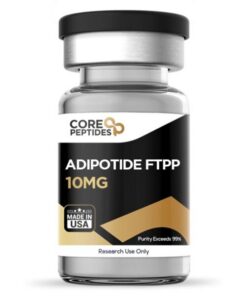
Weight Management & Metabolism Peptides

Weight Management & Metabolism Peptides

Weight Management & Metabolism Peptides
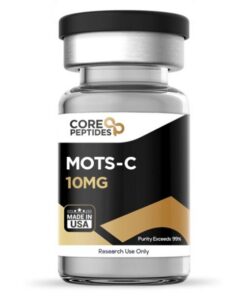
Weight Management & Metabolism Peptides

Weight Management & Metabolism Peptides