
Growth Hormone Blends for Laboratory Research
Growth hormone blends combine selected peptide compounds within a single research formulation to support laboratory studies of growth hormone regulation and related signaling pathways. In particular, these blends can help researchers investigate interactions between growth hormone secretagogues, GHRH-related pathways, and the broader GH/IGF-1 axis.
If you are looking to buy Growth Hormone Blends in Switzerland, it is important to consider more than the blend name alone. Researchers should review the individual peptide components, stated quantities, analytical documentation, batch information, and intended research application before selecting a product.
Our Growth Hormone Peptides collection provides access to research compounds focused on growth hormone signaling. Within this broader category, Growth Hormone Blends offer researchers another way to investigate multiple related pathways within a defined experimental model.
What Are Growth Hormone Blends?
Growth hormone blends are formulations that contain two or more peptide compounds selected for research involving growth hormone-related pathways. Depending on the formulation, a blend may combine compounds that interact with the growth hormone secretagogue receptor (GHSR), the growth hormone-releasing hormone (GHRH) receptor, or other components of endocrine signaling.
Because each peptide has its own molecular characteristics, researchers should evaluate the complete formulation rather than treating a blend as a single active substance. For example, laboratories can examine the individual components, their known targets, and their potential contribution to the overall experimental model.
Furthermore, a defined blend can provide a practical research model when the experimental objective involves more than one signaling pathway. Nevertheless, researchers should maintain appropriate controls and analytical methods when studying multi-component formulations.
What Are Growth Hormone Blends Researched For?
Researchers can use growth hormone blends to investigate several areas of endocrine and molecular research. The exact research application depends on the compounds included in the formulation.
| Research Area | What Researchers Examine |
|---|---|
| GH Signaling | Researchers examine mechanisms involved in growth hormone secretion and related signaling pathways. |
| GHSR Research | Studies can investigate signaling associated with growth hormone secretagogue receptor activity. |
| GHRH Signaling | Researchers can examine pathways associated with growth hormone-releasing hormone receptor activation. |
| GH/IGF-1 Axis | Laboratories can investigate relationships between growth hormone signaling and downstream IGF-1 pathways. |
| Peptide Interactions | Multi-component formulations can provide models for studying interactions between different peptide signaling systems. |
| Receptor Pharmacology | Researchers can compare receptor targets, signaling responses, and ligand characteristics within controlled experimental systems. |
How Do Growth Hormone Blends Work?
The mechanism of a growth hormone blend depends entirely on its peptide composition. Different components may interact with different receptors, which means researchers should examine each ingredient separately before interpreting the overall formulation.
GHSR-Related Signaling
Some growth hormone research peptides interact with the growth hormone secretagogue receptor. This G protein-coupled receptor can activate intracellular signaling pathways involving Gq/11, phospholipase C, and calcium signaling.
As a result, blends containing GHSR-targeting compounds can provide research models for studying secretagogue-related receptor activity. However, the observed response depends on the specific peptide, experimental model, and concentration used in the study.
GHRH Receptor Signaling
Other components may interact with the GHRH receptor. This pathway primarily involves adenylate cyclase, cyclic AMP, and protein kinase A signaling within pituitary somatotroph cells.
Therefore, a blend that includes GHRH-related research compounds can support studies of another important regulatory pathway within the GH system.
GH/IGF-1 Research
The GH/IGF-1 axis provides another important research framework. Scientists can investigate how changes in upstream signaling relate to downstream endocrine pathways.
Nevertheless, researchers should avoid assuming that combining peptides automatically produces a predictable biological response. Instead, each formulation requires appropriate experimental controls and independent evaluation.
Why Researchers Study Peptide Blends
Single-peptide research can provide detailed information about one molecular target. However, biological systems rarely rely on one signaling pathway in isolation. For this reason, researchers may investigate combinations of compounds to explore more complex signaling relationships.
Growth hormone blends can therefore serve as useful experimental models when the research question involves multiple related pathways. In addition, a defined formulation can simplify certain experimental workflows by providing a consistent combination of research compounds.
Even so, laboratories should document each component carefully. The presence of multiple peptides can make data interpretation more complex, particularly when researchers need to identify which component contributed to a specific observation.
How to Choose Growth Hormone Blends in Switzerland
When you buy Growth Hormone Blends in Switzerland for legitimate laboratory research, start by examining the formulation itself. A transparent product description should identify the included peptides and provide relevant information about the blend.
- Review the peptide composition. Identify every peptide included in the formulation.
- Check the stated quantities. Confirm that the documentation clearly identifies the amount of each component.
- Examine analytical documentation. Review available purity, identity, mass spectrometry, and chromatography information.
- Check batch information. Prefer documentation that connects analytical results to a specific production lot.
- Understand the research objective. Select a formulation that matches the molecular pathway you want to investigate.
- Consider experimental controls. Multi-component formulations require careful experimental design and interpretation.
- Review storage information. Follow the supplier’s instructions for the specific formulation.
- Check applicable requirements. Ensure that your planned research activity complies with relevant Swiss and European regulations.
Growth Hormone Blends and Certificate of Analysis
A Certificate of Analysis (CoA) can help researchers evaluate the quality documentation associated with a research peptide blend. However, researchers should examine the entire document rather than relying on a single purity figure.
Ideally, the documentation should identify the product, batch number, testing method, analytical results, and relevant laboratory information. In addition, researchers should compare the CoA with the product label and formulation details.
Because blends contain multiple compounds, analytical characterization becomes particularly important. A clear documentation trail helps laboratories understand what they are working with and supports more reliable experimental records.
Growth Hormone Blends for Research in Switzerland and Europe
Researchers in Switzerland and Europe should consider product quality, documentation, intended use, and regulatory requirements when sourcing peptide blends. Availability alone does not establish whether a particular product suits a laboratory project.
For regulatory information, researchers can consult Swissmedic for Swiss requirements and the European Medicines Agency (EMA) for relevant European regulatory information.
Furthermore, researchers should distinguish laboratory research products from authorized medicinal products. Regulatory classification can vary according to the compound, formulation, intended use, and jurisdiction.
Growth Hormone Blends vs. Single Peptides
| Feature | Growth Hormone Blends | Single Research Peptides |
|---|---|---|
| Composition | Contains multiple peptide components. | Contains one primary peptide compound. |
| Research Scope | Can support research involving multiple related pathways. | Provides a more focused model for studying one compound. |
| Experimental Interpretation | May require additional controls because multiple components can influence the outcome. | Generally provides a simpler experimental variable. |
| Documentation | Researchers should review information for the complete formulation. | Researchers can focus on the characteristics of one peptide. |
Quality Considerations for Growth Hormone Blends
Reliable research begins with properly characterized materials. Therefore, researchers should consider several quality indicators before selecting a growth hormone blend.
- Clear formulation: The supplier should identify the peptides included in the blend.
- Batch traceability: Product documentation should allow researchers to identify the relevant production batch.
- Analytical testing: Available analytical data should support the stated product characteristics.
- Identity information: Researchers should be able to determine which compounds make up the formulation.
- Storage guidance: The supplier should provide appropriate storage information.
- Transparent labeling: Labels should correspond with the accompanying product documentation.
Importantly, a reported purity percentage does not by itself prove biological activity. Researchers should therefore evaluate the full analytical profile and use suitable experimental controls.
Frequently Asked Questions About Growth Hormone Blends
What are Growth Hormone Blends?
Growth Hormone Blends are research formulations that contain multiple peptide compounds associated with growth hormone-related signaling. The exact composition varies between formulations, so researchers should review the individual components carefully.
What are Growth Hormone Blends used for?
Researchers can study Growth Hormone Blends to investigate GH regulation, GHSR signaling, GHRH receptor activity, the GH/IGF-1 axis, and related peptide pathways. The appropriate research application depends on the formulation and experimental design.
Why use a blend instead of a single peptide?
A blend can provide a research model involving multiple peptide pathways within one defined formulation. However, single peptides may offer simpler experimental interpretation when researchers want to isolate one molecular variable.
Are Growth Hormone Blends intended for human use?
No. Products presented as research compounds should remain within appropriate laboratory research applications. They should not be used for self-administration, diagnosis, treatment, or prevention of disease.
What should I check before buying Growth Hormone Blends in Switzerland?
Review the formulation, peptide composition, batch information, analytical documentation, storage instructions, and intended research use. Additionally, confirm that your planned research complies with applicable Swiss and European requirements.
Do Growth Hormone Blends have the same properties as individual peptides?
Not necessarily. Each formulation can behave differently because the components, concentrations, interactions, and experimental conditions can vary. Therefore, researchers should evaluate the specific blend rather than assuming that it will behave like any individual peptide.
Explore Related Peptide Research Categories
Growth hormone research overlaps with several other areas of peptide science. Depending on your research objective, the following categories may also be relevant:
- Growth Hormone Peptides
- Muscle & Performance Peptides
- Anti-Aging & Longevity Peptides
- Cellular Research & Signaling
- Fertility & Hormone Research
- Healing & Regeneration Peptides
Research Disclaimer
Growth Hormone Blends are presented for legitimate scientific and laboratory research purposes only. They are not intended to diagnose, treat, cure, or prevent any disease or medical condition. Nothing on this page constitutes medical advice or a recommendation for human or veterinary use.
Research outcomes can vary according to peptide composition, analytical quality, experimental model, concentration, methodology, and other factors. Researchers should review relevant scientific literature, follow appropriate laboratory procedures, and comply with all applicable institutional, Swiss, and European requirements.
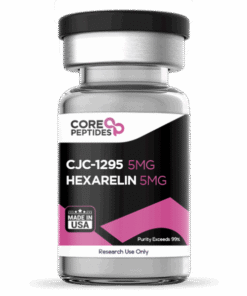
Growth Hormone Blends
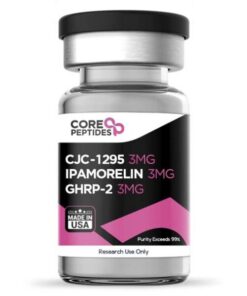
Growth Hormone Blends
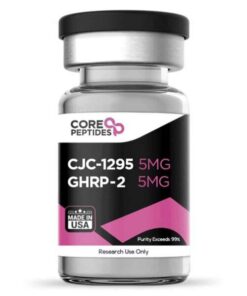
Growth Hormone Blends
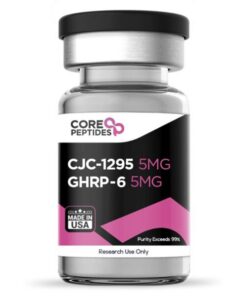
Growth Hormone Blends
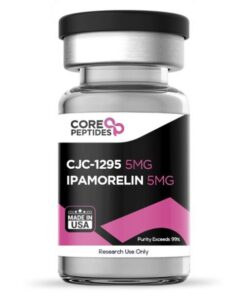
Growth Hormone Blends
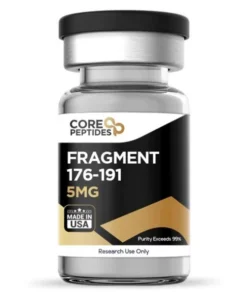
Growth Hormone Blends
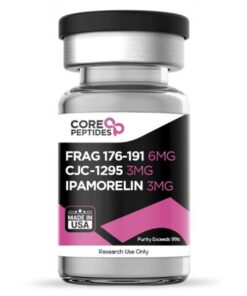
Growth Hormone Blends
Growth Hormone Blends
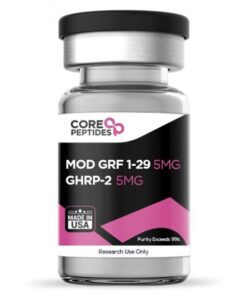
Growth Hormone Blends
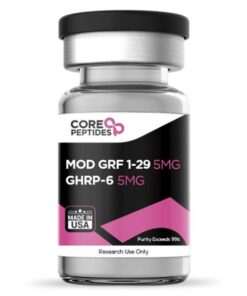
Growth Hormone Blends
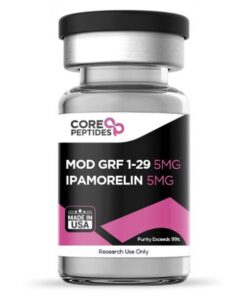
Growth Hormone Blends
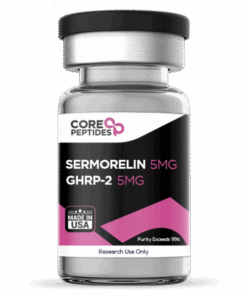
Growth Hormone Blends