
Muscle & Performance Peptides for Advanced Research
Explore Muscle & Performance Peptides for laboratory research into skeletal muscle biology, cellular signaling, protein synthesis, metabolic regulation and exercise-related pathways. This category brings together peptide compounds investigated in experimental models involving muscle cells, tissue remodeling, energy metabolism and performance-related biology.
If you are looking to buy Muscle & Performance Peptides in Switzerland, Core Peptides provides a research-focused selection designed for qualified laboratories, researchers and other permitted professional users. Each compound should be evaluated according to its identity, formulation, analytical documentation, batch information and intended research application.
Importantly, these products are supplied for laboratory research purposes only. Research findings from cellular or animal models should not be interpreted as evidence of human performance benefits, therapeutic efficacy or approved medical use.
What Are Muscle & Performance Peptides?
Muscle and performance-related peptides are peptide compounds studied in connection with biological processes that influence skeletal muscle cells, protein metabolism, cellular energy pathways, tissue signaling and physiological adaptation.
Researchers use these compounds to investigate specific molecular mechanisms rather than simply measuring a final performance outcome. For example, experimental studies may examine pathways involved in protein synthesis, muscle-cell differentiation, growth-factor signaling, mitochondrial function or cellular stress responses.
Consequently, this category covers several interconnected areas of molecular biology. These include muscle-cell signaling, anabolic pathway research, metabolic regulation, recovery-related biology and peptide interactions with growth-factor systems.
What Are Muscle & Performance Peptides Researched For?
| Research Area | What Researchers Investigate |
|---|---|
| Skeletal Muscle Biology | Muscle-cell growth, differentiation, signaling and structural adaptation. |
| Protein Synthesis | Cellular pathways involved in translation, protein turnover and muscle-related signaling. |
| Growth-Factor Signaling | Interactions involving IGF-related pathways, receptor signaling and downstream cellular responses. |
| Muscle Recovery Research | Cellular responses associated with tissue remodeling, stress and recovery-related biology. |
| Metabolic Research | Energy production, nutrient utilization, mitochondrial signaling and metabolic adaptation. |
| Cellular Stress | Experimental responses to oxidative stress, inflammation and other cellular challenges. |
| Exercise Biology | Molecular pathways associated with exercise-related cellular adaptation and physiological signaling. |
Muscle Biology and Cellular Signaling
Skeletal muscle is a highly adaptable tissue. Its cells respond to mechanical stress, nutrient availability, hormones, growth factors and intracellular signaling networks. Therefore, muscle research often focuses on understanding how these signals influence cellular growth, differentiation and metabolism.
Peptides can provide researchers with useful experimental tools for investigating individual components of these systems. Depending on the compound, research may examine receptor activation, intracellular signaling, gene expression, protein synthesis or interactions between different biological pathways.
Among the pathways frequently investigated in muscle research are PI3K/Akt/mTOR signaling, IGF-related signaling, MAPK pathways and cellular energy-sensing mechanisms.
Protein Synthesis and Muscle Research
Protein synthesis is central to skeletal muscle biology. Researchers therefore study how signaling pathways regulate translation, protein turnover and muscle-cell adaptation.
The PI3K/Akt/mTOR pathway is particularly important in experimental muscle research because it connects extracellular signals with intracellular mechanisms involved in protein synthesis and cellular growth.
However, pathway activation does not automatically translate into increased human muscle mass or improved athletic performance. Laboratory findings must always be interpreted according to the experimental model, concentration, exposure conditions and biological endpoint.
Growth-Factor and IGF-Related Research
Growth-factor signaling represents another major area within muscle biology. Researchers investigate how peptide compounds interact with growth-factor receptors and downstream signaling networks.
IGF-1-related signaling, for example, has been studied extensively in connection with cellular growth, differentiation and metabolism. Experimental IGF-related peptides can therefore be useful for studying receptor-mediated signaling and downstream molecular responses.
Research in this area can include receptor activation, phosphorylation studies, pathway analysis, gene-expression experiments and investigations into cellular differentiation.
Key Molecular Pathways in Muscle & Performance Research
| Pathway or Target | Research Relevance |
|---|---|
| PI3K/Akt/mTOR | Studied in relation to cellular growth, protein synthesis and metabolic signaling. |
| IGF-1 Signaling | Investigated in muscle-cell growth, differentiation and receptor-mediated signaling. |
| MAPK Pathways | Associated with cellular responses to growth factors, stress and extracellular signals. |
| AMPK | Studied as an energy-sensing pathway involved in cellular metabolism. |
| Myostatin Signaling | Investigated in relation to skeletal muscle development and growth regulation. |
| Myogenic Signaling | Research area covering muscle-cell differentiation and myoblast biology. |
| Mitochondrial Signaling | Examined in relation to cellular energy production and metabolic adaptation. |
Peptides Commonly Investigated in Muscle Research
The specific compounds available within this category can vary. Researchers may encounter peptides associated with growth-factor signaling, muscle-cell biology, tissue remodeling and metabolic pathways.
IGF-1 and IGF-Related Peptides
IGF-related peptides are widely studied because insulin-like growth factor signaling is involved in multiple cellular processes. Experimental research can examine receptor binding, downstream phosphorylation, cellular growth and differentiation.
These compounds are particularly relevant when the research objective involves understanding growth-factor signaling at the molecular or cellular level.
Myostatin-Related Research
Myostatin is a member of the transforming growth factor beta superfamily and is an important research target in skeletal muscle biology. Experimental studies investigate how myostatin signaling influences muscle development, differentiation and growth regulation.
Myostatin-related research can therefore help researchers investigate mechanisms controlling skeletal muscle formation and adaptation.
Muscle-Recovery and Tissue-Signaling Peptides
Some peptides studied in muscle research are also investigated in connection with cellular stress, tissue remodeling and inflammatory signaling. These compounds may overlap with research involving regeneration and cellular repair pathways.
For broader research into these mechanisms, researchers can also explore our Healing & Regeneration Peptides category.
Performance Biology and Exercise Research
Performance research extends beyond muscle size or strength. Researchers can investigate how exercise influences cellular metabolism, energy availability, mitochondrial function, inflammation and tissue adaptation.
Peptide research can provide experimental tools for studying individual components of these biological systems. For example, researchers may examine how signaling changes after cellular stress or how metabolic pathways respond to altered experimental conditions.
At the same time, laboratory findings should not be presented as proof that a peptide improves athletic performance in humans. Human physiology involves multiple interacting systems, and experimental outcomes can vary considerably between models.
Muscle & Performance Research Areas Compared
| Research Focus | Primary Biological Question | Typical Experimental Approach |
|---|---|---|
| Muscle Growth | How do signaling pathways regulate muscle-cell growth? | Cell culture, molecular assays and animal models. |
| Protein Synthesis | How are translation and protein turnover regulated? | Protein-expression and signaling studies. |
| Growth-Factor Signaling | How do receptors transmit extracellular growth signals? | Receptor and phosphorylation assays. |
| Metabolism | How do muscle cells regulate energy production? | Metabolic and mitochondrial experiments. |
| Muscle Differentiation | How do precursor cells develop into muscle cells? | Cellular differentiation models. |
| Recovery Biology | How do cells respond to stress and tissue remodeling signals? | Inflammatory, cellular and tissue models. |
Understanding the Evidence Behind Muscle Peptide Research
Not all peptide research provides the same level of evidence. Therefore, researchers should always identify the experimental model before interpreting a finding.
In Vitro Research
Cell-based experiments can reveal receptor activity, intracellular signaling, gene expression and other molecular responses. However, results from isolated cells do not necessarily predict what happens in an intact organism.
Animal and Preclinical Research
Animal models provide additional biological context. Nevertheless, differences in metabolism, receptor biology and physiology mean that animal findings cannot automatically be translated into human outcomes.
Human Research
Human studies provide a different level of evidence because they evaluate biological responses in people. Even so, study design, sample size, endpoints and population characteristics remain important when evaluating the strength of the evidence.
For this reason, Core Peptides does not present experimental peptide research as proof of therapeutic efficacy or guaranteed performance outcomes.
How to Evaluate Muscle & Performance Peptides
When you buy Muscle & Performance Peptides in Switzerland, product selection should begin with analytical and documentation standards rather than marketing claims.
- Identity: Check whether the supplied documentation identifies the expected peptide.
- Purity: Review the reported analytical purity and the method used to determine it.
- Batch information: Look for a clear lot or batch identifier that connects the product with its documentation.
- Analytical methods: Consider whether appropriate analytical techniques are described.
- Formulation: Verify the stated peptide form, quantity and composition.
- Storage: Follow the product-specific storage instructions supplied with the material.
- Research-use status: Confirm that the product is appropriate for the intended laboratory application.
Why a Certificate of Analysis Matters
A Certificate of Analysis (CoA) can provide useful batch-level information about a research compound. Depending on the supplier and analytical method, documentation may include identity testing, purity results, batch information and other analytical parameters.
However, a CoA should be interpreted carefully. A reported purity value does not automatically establish biological activity, receptor potency, sterility, endotoxin status or suitability for a particular experiment.
Researchers should therefore consider the complete documentation package rather than relying on a single specification.
Buy Muscle & Performance Peptides in Switzerland
If your laboratory requires research peptides related to muscle biology, metabolic signaling or performance-related cellular pathways, selecting a transparent research supplier is an important part of the procurement process.
When you buy Muscle & Performance Peptides in Switzerland, consider product identity, batch documentation, analytical information, formulation details and clearly stated research-use conditions.
Swiss researchers should also consider the regulatory requirements that may apply to the acquisition, importation, storage and use of research substances. Swissmedic provides information concerning medicinal-product regulation in Switzerland, while the European Medicines Agency (EMA) provides regulatory information relevant to the European medicines framework.
Because requirements can depend on the substance and intended use, researchers should verify the applicable rules before placing an order or importing research material.
How to Choose the Right Muscle Research Peptide
The best peptide for an experiment depends on the biological question rather than the marketing category. Start by defining the pathway or cellular process you want to investigate.
- Define the research objective. Determine whether your study concerns muscle-cell signaling, protein synthesis, metabolism, differentiation or another pathway.
- Identify the biological target. Establish which receptor, pathway or molecular mechanism is relevant to the experiment.
- Review the evidence. Separate cell-based, animal and human research before drawing conclusions.
- Check analytical documentation. Compare identity, purity and batch information with your laboratory requirements.
- Review formulation details. Confirm the exact compound and formulation before incorporating it into an experimental protocol.
- Consider regulatory requirements. Verify applicable Swiss and European requirements for your specific research context.
Muscle & Performance Peptide Research Glossary
- Akt
- A protein kinase involved in several signaling processes, including cellular growth and metabolism.
- AMPK
- An energy-sensing kinase involved in cellular metabolic regulation.
- IGF-1
- Insulin-like growth factor 1, a growth factor involved in multiple biological signaling processes.
- mTOR
- A central regulator of cellular growth and protein synthesis.
- Myoblast
- A precursor cell involved in skeletal muscle development.
- Myostatin
- A growth-regulatory protein studied extensively in skeletal muscle biology.
- Protein Synthesis
- The cellular process through which amino acids are assembled into proteins.
- Signal Transduction
- The process through which cells convert extracellular signals into intracellular responses.
Frequently Asked Questions About Muscle & Performance Peptides
What are Muscle & Performance Peptides used for?
These peptides are supplied for laboratory research into areas such as skeletal muscle biology, cellular signaling, protein synthesis, growth-factor pathways, metabolism and exercise-related cellular responses.
Can Muscle & Performance Peptides be used to improve athletic performance?
This category is intended for laboratory research. Experimental findings should not be interpreted as evidence that a peptide improves athletic performance in humans.
What pathways are commonly studied?
Research may involve pathways such as PI3K/Akt/mTOR, IGF-related signaling, MAPK, AMPK, myostatin-related signaling and mitochondrial pathways.
Are these peptides approved medicines?
Research peptides should not be assumed to be approved medicines. Regulatory status depends on the specific substance, jurisdiction and intended use. Researchers should verify the applicable requirements before procurement or use.
Does peptide purity guarantee experimental results?
No. Analytical purity is only one component of research-material quality. Identity, formulation, stability, handling, experimental design and biological activity can all affect research outcomes.
How should research peptides be stored?
Storage requirements vary by compound and formulation. Always follow the product-specific storage instructions supplied with the material rather than applying a universal storage temperature.
Who should use research peptides?
These materials are intended for qualified researchers, laboratories and other permitted professional users conducting legitimate scientific research.
Explore Muscle & Performance Peptides for Research
Muscle research combines molecular signaling, protein metabolism, growth-factor biology, energy regulation and cellular adaptation. The right research compound can help investigators examine these mechanisms under controlled experimental conditions.
Explore the Core Peptides Muscle & Performance Peptides category to compare available research compounds and review the documentation relevant to your laboratory requirements.
Research use only. Products are not intended for human or veterinary use, diagnosis, treatment, prevention or mitigation of disease, or as a substitute for approved medical products.
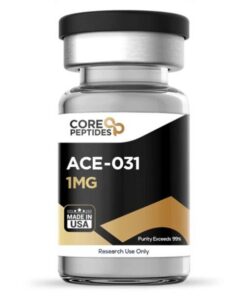
Muscle & Performance Peptides

Muscle & Performance Peptides
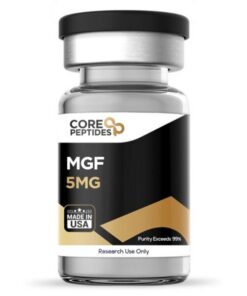
Muscle & Performance Peptides
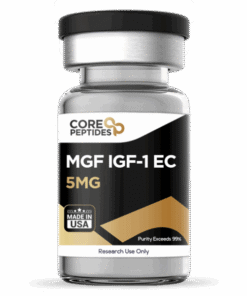
Muscle & Performance Peptides