
What Are Fertility and Hormone Research Peptides?
Fertility and hormone research peptides are specialized research compounds used to investigate reproductive endocrinology and the hypothalamic-pituitary-gonadal (HPG) axis. In particular, researchers study how these compounds interact with molecular targets such as G-protein-coupled receptors, glycoprotein hormone receptors, and neuroendocrine signaling pathways involved in reproductive function.
This category covers several distinct peptide and hormone families. For example, Kisspeptin-10 is studied for its role in hypothalamic signaling, while Gonadorelin interacts with pituitary GnRH receptors. Meanwhile, gonadotropin preparations such as HCG and HMG are investigated at the level of gonadal hormone signaling. Together, these research compounds help investigators examine GnRH pulsatility, LH and FSH secretion, gonadal signaling, steroidogenesis, and reproductive endocrine feedback.
At Core Peptides, researchers can buy fertility and hormone research peptides in Switzerland for legitimate laboratory research. The collection includes kisspeptin peptides, GnRH peptides, GnRH agonists, and gonadotropin preparations, with product documentation designed to support research and analytical evaluation.
What Are Fertility and Hormone Research Peptides Researched For?
Researchers investigate fertility and hormone research peptides across several areas of reproductive biology. The table below summarizes the main research applications and the compounds commonly associated with each area.
| Research Area | What Researchers Investigate | Relevant Peptides |
|---|---|---|
| HPG Axis Regulation | GnRH pulsatility, kisspeptin-KISS1R signaling, KNDy neuron activity, and neuroendocrine regulation | Kisspeptin-10, Gonadorelin |
| GnRH Receptor Signaling | Receptor activation, intracellular signaling, desensitization, and receptor regulation | Gonadorelin, Triptorelin, Buserelin |
| Gonadotropin Signaling | LH and FSH receptor activity, steroidogenesis, gametogenesis, and gonadal signaling | HCG, HMG |
| Reproductive Endocrinology | Folliculogenesis, ovulatory signaling, spermatogenesis, and endocrine feedback | HCG, HMG, Gonadorelin |
| Puberty and Development | Gonadarche, pubertal signaling, and developmental reproductive endocrinology | Kisspeptin-10, GnRH analogs |
| Hormone-Responsive Research | Hormone-dependent signaling, reproductive disorders, and endocrine regulation | Triptorelin, Buserelin |
Because each compound interacts with a different biological target, researchers can select fertility research peptides according to the specific pathway or experimental model under investigation. Therefore, understanding the mechanism behind each peptide is important when designing laboratory studies.
Key Research Areas in Fertility and Hormone Peptides
Kisspeptin-KISS1R Signaling and GnRH Pulsatility
The hypothalamic-pituitary-gonadal (HPG) axis coordinates communication between the hypothalamus, pituitary gland, and gonads. Within this system, kisspeptin signaling plays an important role in regulating GnRH neurons through the KISS1R receptor, also known as GPR54.
Kisspeptin neurons form part of the neuroendocrine network that regulates GnRH secretion. Consequently, researchers study Kisspeptin-10 to investigate how upstream hypothalamic signaling influences LH and FSH secretion. Experimental research has also examined kisspeptin signaling in relation to puberty, reproductive endocrine feedback, and ovulatory physiology.
GnRH Receptor Activation and Intracellular Signaling
Gonadotropin-releasing hormone (GnRH) is a decapeptide neurohormone that regulates pituitary gonadotropin secretion. When GnRH binds to GnRH receptors on pituitary gonadotrope cells, it activates intracellular signaling cascades that influence the synthesis and secretion of LH and FSH.
Gonadorelin is a synthetic form of GnRH that has the same amino acid sequence as endogenous GnRH. As a result, researchers use Gonadorelin to examine GnRH receptor activation, downstream signaling, and gonadotropin secretion in experimental models.
GnRH Agonist Desensitization and Receptor Regulation
GnRH agonists such as Triptorelin and Buserelin provide useful models for studying receptor regulation. Initially, GnRH receptor activation can increase gonadotropin signaling. However, sustained exposure to potent GnRH agonists can produce receptor desensitization and reduced gonadotropin secretion.
This biphasic response makes GnRH agonists particularly relevant to research involving receptor regulation, intracellular signaling, endocrine feedback, and hormone-dependent biological systems. Therefore, researchers can use these compounds to investigate both receptor activation and longer-term changes in receptor responsiveness.
Gonadotropin Receptor Activation
HCG and HMG represent a different class of fertility and hormone research compounds because they act at gonadotropin receptors in reproductive tissues. HCG is a glycoprotein hormone that can activate the LH receptor, while HMG contains FSH and LH activity.
Consequently, these compounds allow researchers to examine gonadotropin receptor signaling, cAMP-dependent pathways, steroidogenic processes, and other aspects of gonadal physiology.
Peptide Families Within Fertility and Hormone Research
Kisspeptin Peptides
Kisspeptin peptides are derived from the KISS1 gene and participate in neuroendocrine regulation of the HPG axis. The precursor can generate several biologically active kisspeptin fragments, including Kisspeptin-54, Kisspeptin-14, Kisspeptin-13, and Kisspeptin-10.
Among these compounds, Kisspeptin-10 is widely studied as an agonist of KISS1R/GPR54. Researchers investigate this signaling system to better understand GnRH regulation, reproductive endocrine feedback, puberty, and fertility-related biology.
GnRH Peptides and Analogs
GnRH peptides include endogenous GnRH and synthetic analogs designed to interact with GnRH receptors. Gonadorelin is a synthetic decapeptide with the same sequence as endogenous GnRH, making it useful for investigating canonical GnRH receptor signaling.
Other synthetic analogs, including Triptorelin and Buserelin, modify the pharmacological properties of the GnRH molecule. Therefore, these compounds can provide different experimental models for studying receptor activation and prolonged receptor regulation.
GnRH Agonists
GnRH agonists are synthetic analogs that activate the GnRH receptor and can produce different responses depending on exposure patterns. Triptorelin and Buserelin are commonly studied examples.
With continued receptor stimulation, these compounds can produce changes in receptor responsiveness and gonadotropin signaling. For this reason, GnRH agonists are useful research tools for investigating receptor desensitization, endocrine feedback, and hormone-dependent signaling.
Gonadotropins
Gonadotropins are glycoprotein hormones that act directly through receptors expressed in reproductive tissues. HCG primarily provides LH-like receptor activity through the LH/choriogonadotropin receptor, whereas HMG contains both FSH and LH activity.
Researchers therefore use gonadotropin preparations to investigate receptor activation, steroidogenesis, follicular biology, spermatogenesis, and broader gonadal signaling.
Research Peptides in the Fertility and Hormone Research Collection
Kisspeptin-10
Kisspeptin-10 is a short biologically active fragment of the kisspeptin family. It interacts with the KISS1R/GPR54 receptor and is widely studied for its role in hypothalamic reproductive signaling.
Experimental research has examined Kisspeptin-10 in relation to GnRH release, LH and FSH secretion, puberty, and reproductive endocrine regulation. In particular, kisspeptin signaling provides researchers with a model for examining how hypothalamic neurons communicate with the reproductive endocrine system.
Research focus: KISS1R/GPR54 signaling, GnRH regulation, HPG axis research, and reproductive neuroendocrinology.
Gonadorelin
Gonadorelin is a synthetic decapeptide with the same sequence as endogenous GnRH. It binds to GnRH receptors on pituitary gonadotrope cells and influences intracellular signaling associated with LH and FSH secretion.
As a result, researchers investigate Gonadorelin to study GnRH receptor activity, pituitary gonadotropin regulation, endocrine feedback, and HPG axis signaling.
Research focus: GnRH receptor signaling, LH and FSH regulation, pituitary endocrinology, and HPG axis research.
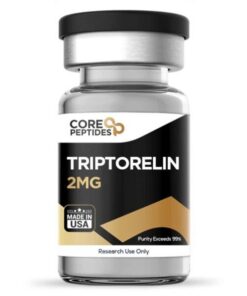
Triptorelin
Triptorelin is a synthetic GnRH agonist that activates the GnRH receptor. Researchers study its biphasic response, in which receptor activation can initially increase gonadotropin signaling before prolonged exposure produces receptor desensitization and reduced signaling.
Consequently, Triptorelin serves as a useful experimental compound for studying GnRH receptor regulation, endocrine feedback, receptor desensitization, and hormone-dependent biological processes.
Research focus: GnRH receptor signaling, receptor regulation, desensitization, and reproductive endocrinology.
Buserelin
Buserelin is a synthetic GnRH analog that acts as an agonist at the GnRH receptor. Initial receptor activation can influence LH and FSH secretion, whereas sustained exposure can alter receptor responsiveness and downstream gonadotropin signaling.
Researchers investigate Buserelin to examine GnRH receptor activity, receptor regulation, HPG axis signaling, and related endocrine pathways. Experimental studies have also explored interactions between Buserelin and other signaling systems involved in reproductive biology.
Research focus: GnRH receptor activation, receptor downregulation, HPG axis research, and endocrine signaling.
HCG (Human Chorionic Gonadotropin)
Human chorionic gonadotropin (HCG) is a glycoprotein hormone composed of alpha and beta subunits. Its alpha subunit shares structural similarities with other glycoprotein hormones, while the beta subunit contributes to receptor specificity.
HCG can activate the LH/choriogonadotropin receptor and therefore provides a research model for LH-like signaling. Researchers investigate HCG in studies involving gonadotropin receptor activation, cAMP signaling, steroidogenesis, and reproductive endocrinology.
Research focus: LH receptor signaling, gonadal signaling, steroidogenesis, and gonadotropin research.
HMG (Human Menopausal Gonadotropin)
Human menopausal gonadotropin (HMG), also known as menotropins, is a glycoprotein hormone preparation containing FSH and LH activity. Consequently, HMG provides an experimental model for examining signaling through both FSH and LH receptors.
Researchers investigate HMG in studies involving gonadotropin receptor activation, follicular biology, spermatogenesis, steroidogenesis, and gonadal function.
Research focus: FSH and LH receptor signaling, gonadotropin biology, follicular research, and reproductive endocrinology.
How Do Fertility and Hormone Research Peptides Work?
Fertility and hormone research peptides act through several interconnected signaling systems. Therefore, researchers generally evaluate these compounds according to their molecular target, receptor activity, exposure pattern, and experimental model.
Kisspeptin-KISS1R Signaling
Kisspeptin-10 activates the KISS1R/GPR54 receptor, a G-protein-coupled receptor associated with hypothalamic reproductive signaling. Activation of this pathway influences GnRH neuronal activity and can subsequently affect pituitary LH and FSH secretion.
Because kisspeptin signaling sits upstream of GnRH release, researchers use this pathway to investigate neuroendocrine control of reproductive function.
GnRH Receptor Activation
Gonadorelin and other GnRH agonists interact with GnRH receptors on pituitary gonadotrope cells. Receptor activation engages intracellular signaling pathways that regulate LH and FSH synthesis and secretion.
Furthermore, downstream pathways can involve phospholipase C, protein kinase C, calcium-dependent signaling, and MAPK-related processes. These pathways provide multiple experimental endpoints for reproductive endocrinology research.
GnRH Agonist Desensitization
Triptorelin and Buserelin demonstrate why exposure pattern matters in receptor research. Initially, GnRH receptor activation can increase gonadotropin signaling. However, sustained stimulation can result in receptor regulation, desensitization, and reduced downstream hormone signaling.
This response allows researchers to investigate how repeated or prolonged receptor activation changes endocrine signaling over time.
Gonadotropin Receptor Activation
HCG primarily interacts with the LH/choriogonadotropin receptor, whereas HMG provides both FSH and LH activity. These receptors belong to the G-protein-coupled receptor family and can activate Gs/cAMP-related signaling.
Consequently, researchers can examine downstream processes such as steroidogenic signaling and gonadal cell responses using appropriate experimental models.
Molecular Targets and Signaling Pathways
| Peptide | Molecular Target | Major Signaling | Research Context |
|---|---|---|---|
| Kisspeptin-10 | KISS1R / GPR54 | Gq/PLC-related signaling and GnRH regulation | HPG axis, puberty, reproductive neuroendocrinology |
| Gonadorelin | GnRH receptor | Gq/11, PLC, PKC, MAPK-related signaling | GnRH signaling and gonadotropin secretion |
| Triptorelin | GnRH receptor | GnRH receptor signaling and downstream regulatory pathways | Receptor desensitization and endocrine regulation |
| Buserelin | GnRH receptor | Gq/11-related signaling and receptor regulation | GnRH agonist and HPG axis research |
| HCG | LH/choriogonadotropin receptor | Gs/cAMP signaling | LH-like signaling and steroidogenic research |
| HMG | FSH receptor and LH/choriogonadotropin receptor | Gs/cAMP signaling | Gonadotropin receptor and gonadal research |
Comparing Fertility and Hormone Research Peptides
| Peptide | Family | Primary Target | Research Focus | Evidence Context | Key Distinction |
|---|---|---|---|---|---|
| Kisspeptin-10 | Kisspeptin | KISS1R / GPR54 | GnRH regulation and HPG axis signaling | Preclinical and human research | Acts upstream of GnRH signaling |
| Gonadorelin | GnRH | GnRH receptor | GnRH signaling and gonadotropin secretion | Clinical and experimental research | Sequence-identical synthetic GnRH |
| Triptorelin | GnRH agonist | GnRH receptor | Receptor activation and desensitization | Clinical and experimental research | Potent synthetic GnRH analog |
| Buserelin | GnRH agonist | GnRH receptor | Receptor regulation and HPG signaling | Clinical and experimental research | Synthetic GnRH analog with prolonged receptor effects |
| HCG | Gonadotropin | LH/choriogonadotropin receptor | LH-like receptor signaling | Clinical and experimental research | Provides LH-like activity |
| HMG | Gonadotropin | FSH and LH receptors | Gonadotropin signaling | Clinical and experimental research | Provides both FSH and LH activity |
What Does the Scientific Research Say?
In Vitro Research
Cell-based research has helped characterize the receptor interactions and intracellular pathways associated with fertility and hormone peptides. For example, Kisspeptin-10 has been investigated in models of KISS1R signaling, while Gonadorelin has been studied for its effects on GnRH receptor signaling in pituitary cells.
Similarly, research involving Triptorelin and Buserelin has examined changes in GnRH receptor responsiveness. Meanwhile, HCG research has investigated LH receptor activation and downstream cAMP-related signaling.
Preclinical and Animal Research
Animal models provide additional information about reproductive endocrine signaling. Researchers have investigated kisspeptin signaling in primate and other animal models to examine its relationship with GnRH and LH secretion.
Likewise, GnRH analogs have been studied in experimental models to investigate receptor regulation and changes in gonadotropin signaling. HCG and HMG have also been extensively examined within reproductive endocrinology research.
However, results from animal models do not automatically predict human outcomes. Therefore, researchers should interpret preclinical findings within the limitations of each experimental model.
Human Research
Several compounds within this category have a substantial history of human research because some are used as prescription medicines in specific jurisdictions and clinical indications. Human studies have examined kisspeptin signaling, GnRH physiology, GnRH analogs, and gonadotropin activity.
Nevertheless, clinical evidence for an approved pharmaceutical indication should not be interpreted as evidence that a research-use product is suitable for human use. Product grade, formulation, manufacturing controls, regulatory status, and intended use can differ significantly.
Evidence Limitations
The strength of evidence varies considerably between compounds and research questions. Some mechanisms have extensive clinical literature, whereas other applications remain primarily experimental.
For this reason, researchers should distinguish between biochemical evidence, cell studies, animal research, and controlled human studies. In addition, research-use-only products should not be presented as substitutes for approved pharmaceutical products.
How to Evaluate Fertility and Hormone Research Peptide Quality
Peptide quality directly affects experimental reproducibility. Therefore, researchers should evaluate analytical documentation rather than relying only on product names or stated purity.
1. Identity Confirmation
Analytical testing should establish that the supplied material corresponds to the intended compound. Mass spectrometry is commonly used to confirm molecular mass, while additional analytical methods can provide complementary information.
2. Purity Assessment
High-performance liquid chromatography (HPLC) is commonly used to assess peptide-related purity. A reported purity percentage can help researchers evaluate a batch, although purity alone does not establish biological activity or suitability for every experimental model.
3. Sequence Confirmation
Sequence confirmation can provide additional assurance that the peptide corresponds to the intended amino acid sequence. Depending on the compound, laboratories may use mass spectrometry-based techniques or other analytical approaches.
4. Mass Spectrometry
Mass spectrometry can provide molecular-weight information and help identify certain modifications or impurities. Methods such as MALDI-TOF or ESI-MS may be used depending on the laboratory and compound.
5. Certificate of Analysis
A detailed Certificate of Analysis (CoA) should identify the tested batch and document the analytical methods and results. Researchers can use this information to assess identity, purity, and batch traceability.
6. Batch and Lot Traceability
A unique batch or lot number makes it easier to connect a product with its associated analytical documentation. Consequently, traceability can support better experimental record keeping and reproducibility.
7. Storage Documentation
Peptide stability depends on the compound, formulation, packaging, temperature, moisture, and handling conditions. Therefore, researchers should always follow the storage instructions supplied for the specific product rather than applying a universal storage rule.
8. Supplier Transparency
Transparent suppliers should provide clear product specifications, analytical documentation, batch information, and relevant storage guidance. This information allows researchers to make more informed decisions before beginning an experiment.
How to Read a Peptide Certificate of Analysis
A Certificate of Analysis (CoA) documents analytical testing performed on a specific batch. Accordingly, researchers should review the document alongside the product specification and experimental requirements.
What a CoA Contains
A comprehensive CoA may include:
- Product name and sequence: Identification of the compound and, where applicable, its amino acid sequence.
- Batch or lot number: A unique identifier connecting the product with its testing record.
- Purity: A reported analytical purity value, commonly determined using HPLC.
- Identity confirmation: Analytical evidence such as mass spectrometry.
- Analytical methods: The testing techniques used to evaluate the batch.
- Date of analysis: The date associated with the reported testing.
- Laboratory information: Information identifying the testing laboratory where available.
What Purity Means
Analytical purity generally describes the proportion of the target compound detected relative to other peptide-related material measured by the stated analytical method. However, a high purity percentage does not automatically demonstrate biological activity, sterility, stability, or suitability for a particular experimental system.
Limitations of CoAs
A CoA is an important quality document, but it does not guarantee experimental performance. Researchers should therefore consider identity, purity, storage, handling, formulation, experimental design, and the limitations of the analytical methods used.
Buying and Researching Fertility Peptides in Switzerland and Europe
Research-Use Positioning
Core Peptides offers fertility and hormone research peptides for legitimate research applications. Because regulatory classifications differ between countries and compounds, researchers should verify the applicable rules before purchasing, importing, handling, or using any research compound.
The collection is intended to support laboratory investigations into reproductive endocrinology, HPG axis signaling, GnRH receptor biology, gonadotropin signaling, and related research areas.
Product Documentation
Researchers should review available product documentation before selecting a research peptide. In particular, batch-specific CoA information can help verify the stated identity, analytical purity, and testing methodology.
Quality Expectations
A suitable research supplier should provide clear product specifications and traceable analytical documentation. Furthermore, researchers should consider whether the available documentation matches the requirements of their experimental model.
Regulatory Context
Fertility and hormone compounds can fall under different regulatory frameworks depending on their composition, intended use, jurisdiction, and presentation. Pharmaceutical products intended for human use are subject to applicable medicinal-product requirements, while research-use materials may have different restrictions.
For Switzerland-specific regulatory information, researchers can consult Swissmedic, the Swiss Agency for Therapeutic Products. For European regulatory information, the European Medicines Agency provides information about medicinal products and applicable regulatory frameworks.
How to Choose a Fertility and Hormone Research Peptide
Selecting a fertility or hormone research peptide should begin with the experimental question rather than a generalized recommendation. Researchers can consider the following factors:
- Research question: Are you investigating HPG axis regulation, GnRH signaling, gonadotropin activity, steroidogenesis, or another reproductive pathway?
- Biological target: Is the relevant target KISS1R/GPR54, the GnRH receptor, the LH/choriogonadotropin receptor, or the FSH receptor?
- Mechanism: Does the experiment require receptor agonism, receptor regulation, gonadotropin signaling, or another biological mechanism?
- Experimental model: Will the compound be studied in vitro, ex vivo, or in an appropriate animal research model?
- Literature support: What does the peer-reviewed literature report for the specific compound and experimental context?
- Identity and purity: Is sufficient analytical documentation available to verify the material?
- Batch traceability: Can the specific product batch be connected to its analytical documentation?
- Supplier transparency: Does the supplier provide clear specifications, CoA information, and appropriate storage guidance?
Ultimately, the most appropriate fertility research peptide depends on the biological question, experimental system, and analytical requirements of the study.
Fertility and Hormone Research Glossary
HPG Axis: The hypothalamic-pituitary-gonadal axis is the interconnected endocrine system involving the hypothalamus, pituitary gland, and gonads.
GnRH: Gonadotropin-releasing hormone is a decapeptide neurohormone that regulates pituitary LH and FSH secretion.
Kisspeptin: A family of peptides derived from the KISS1 gene that participate in the neuroendocrine regulation of GnRH neurons.
KISS1R / GPR54: A G-protein-coupled receptor activated by kisspeptin and involved in reproductive neuroendocrine signaling.
GnRH Receptor: A G-protein-coupled receptor expressed on pituitary gonadotrope cells that mediates GnRH signaling.
LH: Luteinizing hormone is a pituitary gonadotropin involved in reproductive endocrine signaling and gonadal function.
FSH: Follicle-stimulating hormone is a pituitary gonadotropin involved in follicular and testicular reproductive processes.
HCG: Human chorionic gonadotropin is a glycoprotein hormone that can activate the LH/choriogonadotropin receptor.
HMG: Human menopausal gonadotropin, also called menotropin, is a preparation containing FSH and LH activity.
Gonadotropin: A hormone that acts on the gonads, primarily referring to LH and FSH.
Desensitization: A reduction in receptor responsiveness that can occur following sustained or repeated exposure to an agonist.
Steroidogenesis: The biological process through which steroid hormones are synthesized from precursor molecules.
Gametogenesis: The biological process involved in the production and development of reproductive cells.
Frequently Asked Questions About Fertility and Hormone Research Peptides
General Questions About Fertility Research Peptides
What are fertility and hormone research peptides?
Fertility and hormone research peptides are specialized compounds used to investigate reproductive endocrinology, HPG axis regulation, GnRH signaling, gonadotropin activity, and related biological pathways.
Which peptides belong to the fertility and hormone research category?
The category includes Kisspeptin-10, Gonadorelin, Triptorelin, Buserelin, HCG, and HMG. These compounds represent several research families, including kisspeptin peptides, GnRH peptides, GnRH agonists, and gonadotropins.
What are fertility peptides researched for?
Researchers investigate these compounds to study HPG axis signaling, GnRH regulation, LH and FSH secretion, gonadotropin receptor activity, steroidogenesis, reproductive endocrine feedback, and related biological processes.
Mechanism and Comparison Questions
How do fertility and hormone research peptides work?
Their mechanisms vary according to the compound. Kisspeptin-10 activates KISS1R/GPR54 signaling, Gonadorelin activates GnRH receptors, Triptorelin and Buserelin can produce GnRH receptor activation followed by desensitization with sustained exposure, and HCG or HMG interact with gonadotropin receptors.
What is the difference between Gonadorelin and GnRH agonists?
Gonadorelin has the same amino acid sequence as endogenous GnRH. By contrast, compounds such as Triptorelin and Buserelin are synthetic GnRH analogs with modified properties that can produce different receptor responses and longer-lasting effects.
What is the difference between HCG and HMG?
HCG primarily provides LH-like activity through the LH/choriogonadotropin receptor. HMG contains both FSH and LH activity, allowing researchers to investigate signaling through both gonadotropin receptor systems.
What is Kisspeptin-10?
Kisspeptin-10 is a short biologically active kisspeptin fragment that activates KISS1R/GPR54. Researchers study it to investigate the relationship between hypothalamic kisspeptin signaling, GnRH regulation, and downstream reproductive endocrine signaling.
Quality and Documentation Questions
How is peptide purity evaluated?
HPLC is commonly used to assess analytical peptide purity. However, researchers should also review identity confirmation and other analytical data because purity alone does not establish the complete quality or biological suitability of a compound.
What is a Certificate of Analysis?
A Certificate of Analysis is a batch-specific document that reports analytical testing results for a product. Depending on the supplier, it may include purity, identity, molecular-weight data, testing methods, and batch information.
What should researchers look for in a peptide CoA?
Researchers should look for the product name, sequence where applicable, batch or lot number, analytical purity, identity confirmation, testing methods, analysis date, and laboratory information.
How should research peptides be stored?
Storage requirements vary according to the specific compound, formulation, and supplier instructions. Researchers should therefore follow the storage conditions supplied with the product and avoid applying a single storage temperature to every peptide.
Regulatory and Purchasing Questions
Are fertility and hormone research peptides approved medicines?
The regulatory status varies by compound, formulation, jurisdiction, and intended use. Some compounds in this category have pharmaceutical applications, while research-use products are subject to different requirements and should not automatically be treated as approved medicines.
Can fertility peptides be used in humans?
Research-use products should not be treated as substitutes for approved pharmaceutical products or used for self-administration. Human use should occur only through appropriate, legally authorized clinical or pharmaceutical channels.
How can researchers evaluate a fertility peptide supplier?
Researchers should prioritize transparent product specifications, batch-specific analytical documentation, identity and purity testing, traceability, storage information, and clear research-use positioning.
What should researchers consider when purchasing peptides in Switzerland?
Researchers should review product documentation, confirm the intended research use, understand applicable import and handling requirements, and consult relevant Swiss authorities when regulatory clarification is necessary.
Are fertility research peptides regulated in Europe?
Regulation depends on the specific compound, intended use, formulation, and country. Researchers should therefore consult applicable national authorities and European regulatory information rather than assuming that every peptide has the same legal classification.
Related Peptide Research Categories
Cellular Research & Signaling — Fertility and hormone research frequently involves GPCR signaling, MAPK pathways, intracellular second messengers, and receptor regulation. This category provides additional context for cellular mechanisms relevant to reproductive endocrinology.
Anti-Aging & Longevity Peptides — Hormonal regulation, endocrine signaling, and age-related biological changes can overlap with longevity research. Exploring this category can therefore provide broader context for endocrine and cellular research.
Growth Hormone Peptides — Growth hormone research and reproductive endocrinology involve distinct endocrine axes, but both provide useful models for studying hormone secretion, receptor signaling, and feedback regulation.
Sexual Health Peptides — Sexual health research overlaps with reproductive endocrinology through hormone signaling, gonadal function, and related physiological pathways.
Research Disclaimer
The information provided on this page is intended for educational and research-information purposes only. Products offered by Core Peptides are intended for legitimate research applications and should not be considered approved medicines unless supplied through an appropriately authorized pharmaceutical or clinical channel.
Research-use products should be handled by qualified researchers in suitable laboratory environments. Preclinical, animal, and clinical research findings should not be interpreted as proof of safety or efficacy for an unapproved research product or as medical advice.
Researchers are responsible for determining whether the purchase, importation, possession, handling, and use of a research compound comply with applicable laws, regulations, institutional policies, and laboratory requirements. Core Peptides does not make claims regarding the safety, efficacy, diagnosis, treatment, cure, or prevention of disease through research-use products.
Explore Fertility and Hormone Research Peptides
Explore the Fertility & Hormone Research collection to compare research compounds associated with kisspeptin signaling, GnRH receptor biology, gonadotropin activity, and reproductive endocrinology. Review the available product specifications and analytical documentation to identify the compounds that best match your laboratory research requirements.
Fertility & Hormone Research
Fertility & Hormone Research
Fertility & Hormone Research
Fertility & Hormone Research
Fertility & Hormone Research