
What Are Growth Hormone Peptides?
Growth hormone peptides are research compounds that help scientists investigate growth hormone regulation, receptor activity, and related endocrine signaling pathways. In particular, researchers use these peptides to study how growth hormone-releasing hormone (GHRH), ghrelin receptors, somatostatin, and the growth hormone/insulin-like growth factor-1 (GH/IGF-1) axis interact.
Unlike growth hormone itself, many research peptides influence the body’s natural signaling pathways that regulate growth hormone secretion. For example, some compounds interact with the growth hormone secretagogue receptor (GHSR), while others activate the GHRH receptor. As a result, different peptide families provide researchers with useful models for studying pituitary signaling and neuroendocrine regulation.
Our Growth Hormone Peptides category brings together research compounds used to investigate these pathways. All products should remain limited to legitimate laboratory and scientific research and should not be treated as medicines or recommendations for human use.
What Are Growth Hormone Peptides Researched For?
Researchers study growth hormone peptides across several areas of molecular and endocrine research. Because individual peptides interact with different receptors, each compound can provide a distinct research model.
| Research Area | What Researchers Study |
|---|---|
| GH/IGF-1 Axis | Researchers examine the relationship between growth hormone signaling and downstream IGF-1 activity. |
| GHSR Signaling | Studies investigate how ghrelin and growth hormone secretagogues interact with the growth hormone secretagogue receptor. |
| GHRH Receptor Research | Scientists examine receptor activation, cAMP signaling, and mechanisms that regulate pituitary GH release. |
| Pituitary Signaling | Research explores how somatotroph cells respond to different hormonal and peptide signals. |
| Neuroendocrine Regulation | Researchers investigate the interaction between GHRH, somatostatin, ghrelin, and other regulators of GH secretion. |
| Receptor Desensitization | Laboratory models can help researchers examine how repeated receptor stimulation affects signaling sensitivity. |
| Peptide Pharmacology | Scientists compare peptide structure, receptor selectivity, signaling behavior, and exposure characteristics. |
Key Research Areas in Growth Hormone Peptide Science
GH/IGF-1 Axis Research
The GH/IGF-1 axis provides one of the central models for growth hormone research. Growth hormone released by the pituitary can influence IGF-1 production, particularly through interactions involving the liver and other tissues.
Therefore, researchers can use growth hormone-related peptides to investigate the relationship between upstream hormonal signals and downstream biological pathways. This approach helps laboratories study endocrine feedback, tissue signaling, and differences between acute and sustained pathway activation.
GHSR and Ghrelin Signaling
The growth hormone secretagogue receptor, commonly called GHSR, plays an important role in research involving ghrelin and several synthetic growth hormone secretagogues. GHSR belongs to the G protein-coupled receptor family.
When researchers activate this receptor in experimental systems, they can examine downstream signaling events that influence growth hormone release. Consequently, GHSR research provides a useful model for studying receptor pharmacology, ligand activity, and endocrine signaling.
GHRH Receptor Signaling
Growth hormone-releasing hormone activates the GHRH receptor on pituitary somatotroph cells. This interaction can stimulate intracellular signaling pathways that involve cyclic AMP and protein kinase A.
For this reason, GHRH analogs such as sermorelin and CJC-1295 have attracted interest in laboratory studies of GH regulation. Researchers can compare short-acting and longer-acting signaling profiles to understand how peptide structure influences receptor activity and exposure.
Pulsatile Growth Hormone Secretion
Growth hormone secretion does not remain constant throughout the day. Instead, the endocrine system produces pulses that vary with physiological and environmental conditions.
Researchers therefore examine how GHRH, somatostatin, ghrelin, sleep-related signaling, and metabolic factors contribute to this pulsatile pattern. Growth hormone secretagogues provide additional experimental tools for studying these regulatory mechanisms.
Receptor Desensitization and Feedback
Repeated receptor stimulation can change cellular responsiveness. Researchers describe this process as receptor desensitization or reduced signaling sensitivity.
However, the degree and mechanism of desensitization depend on the receptor, ligand, exposure pattern, and experimental system. Consequently, laboratories study these variables carefully instead of assuming that all growth hormone peptides produce identical responses.
Growth Hormone Peptide Families
Growth hormone research peptides fall into several related groups. Although these families share an interest in GH regulation, they interact with different molecular targets.
GHRPs
Growth hormone-releasing peptides, or GHRPs, include compounds such as GHRP-2 and GHRP-6. These peptides primarily provide experimental models for studying GHSR-mediated signaling and growth hormone release.
GHRH Analogs
GHRH analogs model the activity of growth hormone-releasing hormone. Sermorelin and CJC-1295 belong to this broader research group, although their molecular characteristics and exposure profiles differ.
Growth Hormone Secretagogues
Growth hormone secretagogues describe compounds that stimulate GH release through specific signaling mechanisms. Some act through GHSR, while others influence GH regulation through different receptor pathways.
Long-Acting GHRH Analogs
Researchers can also study modified GHRH analogs that remain in circulation longer than naturally occurring GHRH. CJC-1295 with DAC, for example, contains structural modifications that support prolonged exposure through albumin binding.
Growth Hormone Research Peptides in the Collection
Our growth hormone research collection includes several well-known peptide compounds. Each one offers a different research model, so laboratories should select compounds according to their experimental objectives and analytical requirements.
| Research Peptide | Primary Research Focus | Research Classification |
|---|---|---|
| GHRP-2 | GHSR signaling and growth hormone release | Growth hormone secretagogue |
| GHRP-6 | GHSR activity and peptide-receptor interactions | Growth hormone secretagogue |
| Ipamorelin | Selective growth hormone secretagogue signaling | GHSR research peptide |
| Hexarelin | Growth hormone secretagogue and receptor pharmacology research | GHSR research peptide |
| Sermorelin | GHRH receptor signaling and pituitary GH regulation | GHRH analog |
| CJC-1295 | GHRH receptor research and prolonged peptide exposure | Modified GHRH analog |
| Tesamorelin | GHRH receptor signaling and endocrine research | GHRH analog |
Importantly, research classification does not imply that every compound has the same regulatory status or scientific evidence. Some peptides have undergone clinical research or have specific medicinal uses in certain jurisdictions, while others remain primarily research tools. Always evaluate the regulatory status and intended use of a compound before beginning laboratory work.
How Do Growth Hormone Peptides Work?
Growth hormone peptides can influence GH-related signaling through several molecular routes. The exact mechanism depends on the peptide’s structure and receptor affinity.
GHSR Activation
GHRP-2, GHRP-6, ipamorelin, and hexarelin provide research models for GHSR activation. This receptor primarily couples with Gq/11 proteins and can activate intracellular pathways involving phospholipase C and calcium signaling.
As a result, researchers can examine how receptor activation influences somatotroph activity and GH secretion. In addition, laboratories can compare different ligands to investigate receptor selectivity and signaling strength.
GHRH Receptor Activation
GHRH analogs interact with the GHRH receptor. This receptor primarily activates adenylate cyclase, which increases intracellular cAMP and stimulates downstream protein kinase A signaling.
Therefore, compounds such as sermorelin and CJC-1295 provide useful models for investigating GHRH-mediated regulation of pituitary GH secretion.
GH/IGF-1 Feedback
Growth hormone signaling also connects with the IGF-1 pathway. Researchers can therefore examine both upstream receptor activity and downstream endocrine responses.
However, experimental results can vary substantially between cell models, animal studies, and human studies. For that reason, researchers should interpret individual findings within the context of the study design.
Molecular Targets and Signaling Pathways
| Target or Pathway | Research Relevance |
|---|---|
| GHSR1a | Primary receptor target for ghrelin and many growth hormone secretagogues. |
| GHRH Receptor | Regulates signaling associated with GHRH-mediated pituitary GH release. |
| cAMP/PKA | Important intracellular signaling pathway associated with GHRH receptor activation. |
| PLC/Ca²⁺ | Important downstream signaling route associated with Gq/11-coupled GHSR activity. |
| GH/IGF-1 Axis | Provides a framework for studying relationships between GH secretion and downstream IGF-1 signaling. |
| Somatostatin Signaling | Helps researchers investigate inhibitory regulation of pituitary GH secretion. |
| Albumin Binding | Relevant to research involving modified peptides designed to extend systemic exposure. |
Comparing Growth Hormone Research Peptides
Although these compounds share a connection with growth hormone research, their mechanisms differ. Consequently, researchers should compare receptor targets, molecular structure, exposure characteristics, and available evidence rather than treating every peptide as interchangeable.
| Peptide | Primary Target | Research Focus |
|---|---|---|
| GHRP-2 | GHSR | Growth hormone secretagogue signaling |
| GHRP-6 | GHSR | GHSR pharmacology and endocrine signaling |
| Ipamorelin | GHSR | Selective secretagogue research |
| Hexarelin | GHSR | Secretagogue activity and receptor research |
| Sermorelin | GHRH receptor | GHRH-mediated GH regulation |
| CJC-1295 | GHRH receptor | Modified GHRH signaling and prolonged exposure |
| Tesamorelin | GHRH receptor | GHRH analog and endocrine research |
What Does Scientific Research Say?
In Vitro Research
Cell-based experiments allow researchers to examine receptor activity, intracellular signaling, ligand binding, and cellular responses under controlled conditions. These models can provide valuable information about molecular mechanisms.
However, cell experiments do not reproduce the complexity of a complete endocrine system. Therefore, researchers should avoid using in vitro findings alone to predict effects in humans.
Animal and Preclinical Research
Animal models provide additional information about endocrine regulation, pharmacokinetics, receptor activity, and physiological responses. Consequently, they can help researchers evaluate mechanisms that cell-based models cannot fully reproduce.
Nevertheless, differences between species can influence receptor activity, metabolism, and hormone regulation. Results from animal studies therefore require careful interpretation before researchers consider their relevance to human biology.
Human Research
Some growth hormone-related peptides have undergone human clinical research, while others have limited human evidence. Furthermore, regulatory status varies between compounds and jurisdictions.
For this reason, a clinical study does not automatically mean that a research peptide has approval for every purpose. Researchers should distinguish between published clinical evidence, medicinal authorization, and laboratory research use.
Research Limitations
Study design, peptide purity, experimental conditions, species, dosage, administration route, and analytical methods can all influence research outcomes. In addition, different formulations can produce different exposure profiles.
Ultimately, laboratories should evaluate multiple sources of evidence rather than relying on a single study or marketing claim.
How to Evaluate Growth Hormone Research Peptide Quality
High-quality research starts with well-characterized materials. Before selecting a growth hormone peptide, researchers should examine the available analytical documentation and supplier information.
- Identity: Confirm that analytical data support the stated peptide identity.
- Purity: Review the reported analytical purity and understand which testing method produced the result.
- Molecular mass: Compare analytical mass data with the expected molecular weight.
- Sequence: Check the stated amino acid sequence and molecular structure.
- Chromatography: Review HPLC or comparable analytical data where available.
- Mass spectrometry: Use MS data to support identity and molecular characterization.
- Lot information: Confirm that documentation identifies the relevant production batch.
- Storage information: Follow the supplier’s documented storage requirements rather than assuming that every peptide requires the same conditions.
- Traceability: Choose suppliers that provide clear product and batch documentation.
A high reported purity percentage alone does not establish biological activity or guarantee experimental performance. Instead, researchers should consider the complete analytical profile together with appropriate controls.
How to Read a Peptide Certificate of Analysis
A Certificate of Analysis, or CoA, provides analytical information about a specific batch. Therefore, researchers should review the document carefully instead of treating a CoA as a general quality statement.
Look for the product name, batch or lot number, testing date, analytical method, purity result, molecular mass data, and laboratory information. In addition, compare the CoA details with the vial label and the supplier’s product information.
Most importantly, verify that the documentation relates to the exact batch you plan to use. A generic document without clear batch identification provides less useful evidence than batch-specific analytical documentation.
Buying and Researching Growth Hormone Peptides in Switzerland and Europe
Researchers looking for growth hormone peptides in Switzerland should consider more than product availability. Supplier transparency, analytical documentation, batch traceability, shipping conditions, and intended-use information all matter.
For example, laboratories can review the available Certificate of Analysis before ordering a research compound. They should also confirm that the intended research activity complies with applicable Swiss and European requirements.
Regulatory frameworks can differ between Switzerland and EU member states. Therefore, researchers should consult the appropriate authorities when questions arise about classification, importation, laboratory use, or medicinal-product regulations. Useful official resources include Swissmedic and the European Medicines Agency (EMA).
If you are comparing growth hormone peptides in Switzerland, focus on product characterization and research suitability rather than unsupported claims about outcomes. A transparent supplier should make it easier to understand what the product is, how the batch was tested, and what documentation accompanies it.
How to Choose a Growth Hormone Research Peptide
The right research peptide depends on the question your laboratory wants to investigate. Start by identifying the molecular pathway and receptor that match your experimental objective.
- Define the research objective. Determine whether your study focuses on GHSR, GHRH receptor signaling, GH/IGF-1 regulation, or another pathway.
- Compare molecular targets. Review receptor affinity, peptide structure, and known signaling characteristics.
- Review analytical documentation. Check the available CoA, purity data, mass spectrometry results, and batch information.
- Consider the experimental model. Results can differ between cell-based, animal, and human research.
- Check storage requirements. Follow the documented requirements for the specific peptide and formulation.
- Verify regulatory considerations. Confirm that your intended research activity meets applicable requirements in your location.
- Use appropriate controls. Include suitable experimental controls so that you can interpret peptide-related observations accurately.
Growth Hormone Research Glossary
| Term | Meaning |
|---|---|
| GH | Growth hormone, a peptide hormone produced primarily by pituitary somatotroph cells. |
| GHRH | Growth hormone-releasing hormone, a hypothalamic peptide that stimulates pituitary GH release. |
| GHSR | Growth hormone secretagogue receptor, a receptor involved in ghrelin and secretagogue signaling. |
| IGF-1 | Insulin-like growth factor-1, an important downstream component of the GH/IGF-1 axis. |
| Somatostatin | A regulatory hormone that inhibits growth hormone secretion. |
| Somatotroph | A pituitary cell responsible for producing and releasing growth hormone. |
| cAMP | A second messenger involved in intracellular signaling, including GHRH receptor pathways. |
| PKA | Protein kinase A, an intracellular enzyme activated by cAMP signaling. |
| Gq/11 | A family of G proteins associated with signaling from several G protein-coupled receptors, including GHSR. |
| Secretagogue | A compound that stimulates the release of a signaling molecule or hormone. |
| Receptor Desensitization | A reduction in cellular responsiveness that can occur after repeated or sustained receptor stimulation. |
| GH/IGF-1 Axis | The interconnected endocrine signaling system involving growth hormone and IGF-1. |
Frequently Asked Questions About Growth Hormone Peptides
What are growth hormone peptides?
Growth hormone peptides are research compounds that scientists use to investigate growth hormone regulation, receptor signaling, and related endocrine pathways. Different peptides interact with different molecular targets, so they can support different types of laboratory research.
What is the difference between GHRP and GHRH peptides?
GHRPs generally provide research models for growth hormone secretagogue receptor signaling, while GHRH analogs interact with the GHRH receptor. Therefore, these two groups allow researchers to investigate different mechanisms involved in GH regulation.
What is GHSR?
GHSR stands for growth hormone secretagogue receptor. Ghrelin and several synthetic secretagogues interact with this receptor, making it an important target in growth hormone signaling research.
What is the GH/IGF-1 axis?
The GH/IGF-1 axis describes the interconnected signaling relationship between growth hormone and insulin-like growth factor-1. Researchers study this axis to understand endocrine regulation and downstream signaling.
Are growth hormone peptides medicines?
Not necessarily. Some growth hormone-related compounds have specific medicinal uses or clinical research histories, while others serve primarily as laboratory research compounds. Regulatory status depends on the individual substance, formulation, indication, and jurisdiction.
Can I use growth hormone research peptides for personal use?
Research peptides sold for laboratory purposes should not be treated as products for personal treatment or self-administration. Researchers should use these materials only within appropriate scientific, institutional, and regulatory frameworks.
Why is a Certificate of Analysis important?
A CoA can provide batch-specific analytical information about identity, purity, and other quality characteristics. However, researchers should review the complete documentation because a purity number alone cannot establish biological activity.
How should growth hormone research peptides be stored?
Storage requirements vary according to the peptide, formulation, and supplier instructions. Therefore, always follow the documented storage conditions supplied with the specific product.
Where can I find growth hormone peptides in Switzerland?
Researchers can explore our Growth Hormone Peptides category to review available research compounds. Before ordering, researchers should confirm product documentation, intended use, and applicable regulatory requirements.
Related Peptide Research Categories
Growth hormone research often overlaps with several other areas of peptide science. Depending on your research objective, the following categories may also provide useful compounds and background information.
- Muscle & Performance Peptides – research related to muscle signaling, performance pathways, and physiological models.
- Anti-Aging & Longevity Peptides – research involving cellular aging, longevity pathways, and age-related biological processes.
- Healing & Regeneration Peptides – compounds studied in tissue, cellular, and regeneration-related research.
- Cellular Research & Signaling – research compounds focused on molecular signaling and cellular pathways.
- Fertility & Hormone Research – research compounds connected with endocrine and reproductive signaling.
- Growth Hormone Blends – peptide combinations intended for laboratory research involving growth hormone pathways.
Why Researcher-Focused Peptide Documentation Matters
Good research depends on reliable materials and clear documentation. Consequently, researchers should evaluate the peptide itself as well as the information supplied with each batch.
At Core Peptides, our research-focused approach emphasizes clear product information and analytical documentation. When you compare growth hormone research peptides, look for transparent specifications, relevant quality data, and information that helps your laboratory make an informed research decision.
For Swiss and European researchers, regulatory awareness also matters. Always ensure that your planned laboratory activity complies with the requirements that apply to your institution, location, and research project.
Research Disclaimer
Growth hormone peptides listed within this category are presented for scientific and laboratory research purposes only. They are not intended to diagnose, treat, cure, or prevent any disease or medical condition. Product information does not constitute medical advice, treatment guidance, or a recommendation for human or veterinary use.
Research findings can vary according to experimental design, peptide quality, model system, analytical method, and other variables. Therefore, researchers should review relevant scientific literature and follow appropriate laboratory procedures, institutional requirements, and applicable Swiss or European regulations before conducting research.
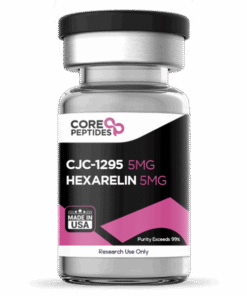
Growth Hormone Blends

Growth Hormone Blends
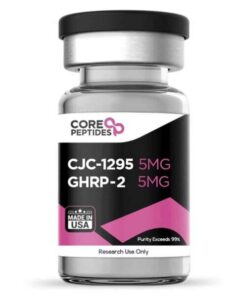
Growth Hormone Blends
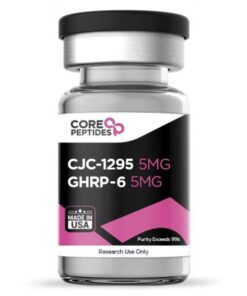
Growth Hormone Blends
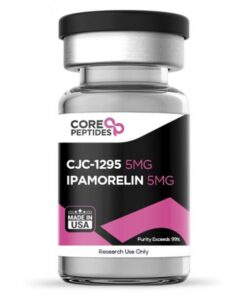
Growth Hormone Blends
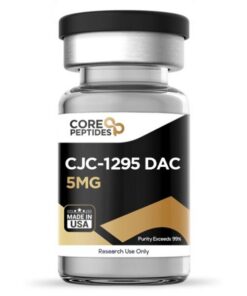
Growth Hormone Peptides

Growth Hormone Peptides
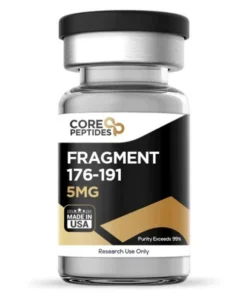
Growth Hormone Blends
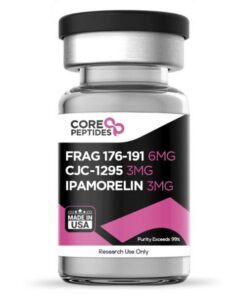
Growth Hormone Blends
Growth Hormone Blends
Growth Hormone Peptides

Growth Hormone Peptides