
Skin, Hair & Beauty Peptides for Advanced Research
Explore Skin, Hair & Beauty Peptides for laboratory research into skin biology, extracellular-matrix signaling, collagen-related pathways, melanogenesis, hair-follicle biology and cellular communication. In particular, this category brings together peptide compounds that researchers investigate in experimental models related to skin, hair and pigmentation biology.
If you are looking to buy Skin, Hair & Beauty Peptides in Switzerland, Core Peptides provides a research-focused selection for qualified laboratories, researchers and other permitted professional users. Therefore, researchers should evaluate each compound according to its identity, formulation, analytical documentation, batch information and intended research application.
Skin and hair biology involve multiple interconnected processes. For example, these processes include extracellular-matrix remodeling, fibroblast activity, keratinocyte biology, melanocyte signaling, hair-follicle cycling and inflammatory pathways. As a result, peptide research in this field extends well beyond simple cosmetic applications.
Research use only. Products in this category are not intended for human or veterinary use, diagnosis, treatment, prevention or mitigation of disease.
What Are Skin, Hair & Beauty Peptides?
Skin, Hair & Beauty Peptides are peptide compounds that researchers investigate in laboratory studies involving skin cells, connective-tissue biology, pigmentation, hair follicles and related cellular signaling systems.
For example, researchers may study these compounds to understand how specific molecular signals influence fibroblasts, keratinocytes, melanocytes, extracellular-matrix components or hair-follicle cells. In addition, laboratory models can help researchers examine individual pathways under controlled experimental conditions.
Some compounds overlap with broader research areas such as regeneration, cellular signaling and pigmentation. Consequently, this category can serve as a useful research hub that connects several areas of peptide biology.
What Are Skin, Hair & Beauty Peptides Researched For?
| Research Area | What Researchers Investigate |
|---|---|
| Skin Cell Biology | Researchers examine keratinocyte, fibroblast and other skin-cell responses to peptide signaling. |
| Extracellular Matrix | Researchers study collagen, elastin, matrix proteins and related cellular pathways. |
| Collagen Research | Studies examine cellular mechanisms associated with collagen production and matrix remodeling. |
| Melanogenesis | Researchers investigate melanin synthesis, melanocyte activity and pigmentation-related signaling. |
| Hair-Follicle Biology | Studies examine cellular signaling involved in hair-follicle development and cycling. |
| Inflammatory Signaling | Researchers investigate cellular responses involving inflammatory mediators and signaling pathways. |
| Cellular Stress | Laboratory studies examine experimental responses to oxidative and other forms of cellular stress. |
Skin Biology and Peptide Research
Skin is a complex biological organ that contains multiple cell types and structural components. For instance, keratinocytes form much of the epidermis, while fibroblasts contribute to the extracellular matrix within the dermis.
Researchers therefore investigate how peptide signaling affects cellular communication, matrix organization, inflammatory responses and other biological processes. Moreover, these studies can help researchers separate individual molecular mechanisms from broader biological responses.
Experimental skin research can involve cell cultures, tissue models, molecular assays and other laboratory approaches. By using these models, researchers can isolate individual pathways and investigate specific biological mechanisms under controlled conditions.
Extracellular Matrix and Collagen Research
The extracellular matrix provides structural support for tissues and contains proteins such as collagen and elastin. At the same time, fibroblasts play an important role in producing and maintaining several extracellular-matrix components.
Peptide research can therefore investigate how specific signaling molecules influence fibroblast activity, matrix-related gene expression and extracellular-matrix remodeling. Furthermore, researchers can compare these responses across different experimental models and endpoints.
However, experimental changes in collagen-related markers should not automatically be interpreted as evidence of improved skin appearance or clinical benefit in humans. Instead, researchers should interpret each finding according to the experimental model, measured endpoint and available evidence.
GHK-Cu and Skin Research
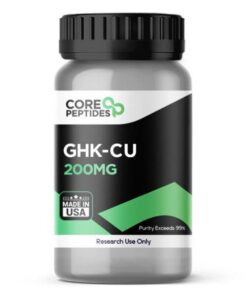
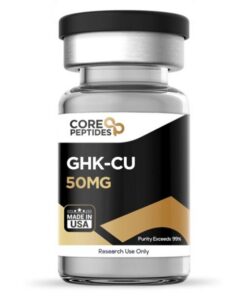
GHK-Cu, also known as copper tripeptide, is one of the better-known peptides studied in connection with skin and extracellular-matrix biology.
Research involving GHK-Cu has examined interactions with cellular signaling, tissue biology and extracellular-matrix processes. As a result, researchers may consider it relevant to studies involving fibroblasts, matrix components and cellular responses.
However, researchers should interpret experimental findings according to the model and endpoint studied. Laboratory research does not automatically establish cosmetic or therapeutic efficacy in humans.
Melanogenesis and Pigmentation Research
Melanogenesis is the biological process through which melanocytes produce melanin. Therefore, researchers study this process to understand pigmentation, melanocyte biology and the molecular mechanisms that regulate melanin production.
Important research pathways can include MC1R signaling, cAMP, PKA, MITF and tyrosinase-related mechanisms. In addition, researchers can examine how receptor activation influences downstream cellular signaling and pigmentation-related processes.
These pathways also connect with our Melanotan & Pigmentation research category. There, researchers can explore a more specialized selection focused on melanocortin signaling and pigmentation biology.
Hair-Follicle and Hair Biology Research
Hair follicles are dynamic biological structures influenced by interactions between epithelial cells, dermal components and signaling pathways. Consequently, researchers investigate these systems to better understand hair-follicle development, cycling and cellular communication.
Experimental research can examine follicular stem-cell activity, growth-factor signaling, dermal papilla biology and interactions between different cell populations. Furthermore, researchers can use different models to examine how these mechanisms interact under defined experimental conditions.
Peptides may serve as molecular tools for examining these pathways. However, findings from cell or animal models should not be presented as proof of human hair-growth efficacy.
Cellular Signaling in Skin and Hair Research
Cellular signaling controls many processes involved in skin and hair biology. For this reason, researchers may investigate receptor activation, intracellular second messengers, transcription factors and downstream gene-expression pathways.
| Pathway or Target | Research Relevance |
|---|---|
| MC1R | Researchers study this melanocortin receptor extensively in pigmentation and melanocyte signaling research. |
| cAMP | This intracellular second messenger participates in several receptor-signaling pathways. |
| PKA | This protein kinase participates in cAMP-dependent signaling. |
| MITF | Researchers study this transcription factor because it plays a central role in melanocyte differentiation and pigmentation-related gene regulation. |
| Tyrosinase | Researchers examine this key enzyme in studies of melanin biosynthesis. |
| Extracellular Matrix Signaling | This research area covers collagen, matrix proteins and mechanisms related to tissue structure. |
Inflammation and Skin Biology
Inflammatory signaling represents another important area of skin research. For example, skin cells can respond to environmental stressors, immune signals and tissue disruption through complex molecular pathways.
Researchers may investigate cytokine signaling, NF-κB-related pathways, MAPK signaling and other mechanisms involved in cellular responses. Moreover, these pathways can connect skin biology with broader research into immunity and cellular stress.
This creates a natural research connection between Skin, Hair & Beauty Peptides and our Immunity & Inflammation Peptides category.
Peptides Commonly Investigated in Skin and Hair Research
GHK-Cu
GHK-Cu is a copper-binding tripeptide studied in relation to skin-cell biology, extracellular-matrix processes and cellular signaling. Therefore, researchers may include GHK-Cu in experimental studies examining these biological mechanisms.
Melanocortin-Related Peptides
Melanocortin-related compounds can be investigated in pigmentation research because they interact with melanocortin receptors and downstream melanogenesis pathways. In particular, researchers may examine receptor signaling and associated intracellular mechanisms.
BPC-157
BPC-157 has been investigated primarily in preclinical research involving tissue and cellular biology. Accordingly, researchers should understand its inclusion in skin-related research within the context of experimental models rather than established cosmetic or therapeutic outcomes.
TB-500 / Thymosin-Related Research
Thymosin-related research includes investigations into cytoskeletal processes, cellular migration and tissue biology. However, researchers should distinguish experimental TB-500 products from full-length thymosin beta-4 because these materials are not necessarily equivalent.
For broader research involving these compounds, see our Healing & Regeneration Peptides category.
Important Research Pathways
| Research Mechanism | Why It Matters |
|---|---|
| Fibroblast Signaling | Researchers study this mechanism in relation to extracellular-matrix and connective-tissue biology. |
| Collagen-Related Pathways | Studies examine these pathways in relation to extracellular-matrix structure and remodeling. |
| Melanogenesis | This process provides a central research model for understanding melanin production. |
| MC1R Signaling | Researchers study this receptor pathway extensively in pigmentation research. |
| MITF Signaling | This transcriptional pathway plays an important role in melanocyte biology and pigmentation research. |
| Hair-Follicle Signaling | Researchers examine this area when studying follicular development and cellular communication. |
| Inflammatory Signaling | Researchers investigate these pathways to understand cellular responses within skin tissue. |
How Skin, Hair & Beauty Peptides Are Studied
Cell-Based Models
Cell cultures can help researchers investigate peptide effects on keratinocytes, fibroblasts, melanocytes and other relevant cell types. In addition, these models allow researchers to examine specific cellular responses under controlled conditions.
Tissue Models
Three-dimensional or reconstructed tissue models can provide additional biological context when researchers study interactions between different cell types. As a result, these models can complement simpler cell-based experiments.
Animal Models
Animal studies can provide information about biological processes within a living organism. However, researchers must consider species differences when interpreting the results and assessing their relevance to human biology.
Molecular and Analytical Studies
Researchers can also use molecular assays to investigate gene expression, protein signaling, receptor activity and other experimental endpoints. Therefore, analytical studies can provide additional information alongside cell, tissue and animal models.
Understanding the Evidence Behind Skin and Hair Peptides
Evidence quality varies considerably between peptide compounds. Therefore, researchers should distinguish between mechanistic observations, preclinical findings and human research.
| Evidence Level | What It Can Demonstrate | Important Limitation |
|---|---|---|
| In Vitro | Cellular responses, receptor activity and molecular mechanisms. | These models do not reproduce the complete biology of an organism. |
| Ex Vivo / Tissue Models | Responses within isolated tissue or reconstructed biological systems. | These models may not fully reproduce whole-organism physiology. |
| Animal Research | Biological responses within an experimental organism. | Animal findings cannot automatically translate to humans. |
| Human Research | Responses observed under defined human-study conditions. | Evidence depends on study quality, population and endpoints. |
Consequently, researchers should not present experimental findings as guaranteed cosmetic, hair-growth or therapeutic outcomes.
How to Evaluate Skin, Hair & Beauty Peptides
When you buy Skin, Hair & Beauty Peptides in Switzerland, focus on analytical documentation and research suitability rather than unsupported cosmetic claims. In particular, consider the following factors:
- Identity: Verify the expected peptide identity in the available documentation.
- Purity: Review the reported analytical purity and testing method.
- Batch information: Confirm the lot or batch identifier.
- Analytical methods: Review available analytical information where provided.
- Formulation: Confirm the exact peptide form and composition.
- Storage: Follow the product-specific storage instructions.
- Research status: Confirm that the material is appropriate for the intended laboratory application.
Why a Certificate of Analysis Matters
A Certificate of Analysis (CoA) can provide useful batch-level information about a research peptide. Depending on the analytical package, it may provide information about identity, purity and other measured characteristics.
However, a CoA does not guarantee biological activity or experimental success. Likewise, a reported purity value does not automatically establish receptor potency, sterility, endotoxin status, stability or suitability for a particular research model.
Researchers should therefore evaluate analytical documentation alongside product specifications, experimental requirements and laboratory procedures. In this way, they can make more informed decisions about research-material suitability.
Buy Skin, Hair & Beauty Peptides in Switzerland
If your laboratory conducts research into skin biology, extracellular-matrix signaling, melanogenesis or hair-follicle biology, selecting a transparent research supplier represents an important part of the procurement process.
When you buy Skin, Hair & Beauty Peptides in Switzerland, consider peptide identity, batch documentation, analytical information, formulation and clearly stated research-use conditions. Furthermore, review the available documentation before you select material for a specific laboratory application.
Swiss researchers should also verify the requirements that may apply to the acquisition, importation, storage and use of research substances. Swissmedic provides regulatory information relevant to Switzerland, while the European Medicines Agency (EMA) provides information concerning the European medicines regulatory framework.
Because requirements can vary according to the substance and intended use, researchers should verify the applicable rules before purchasing or importing research material.
How to Choose the Right Skin, Hair & Beauty Research Peptide
The most appropriate peptide depends on the biological question being studied. Therefore, start with the research mechanism rather than the cosmetic description.
- Define the research objective. First, determine whether the study involves skin cells, extracellular matrix, pigmentation, hair follicles or another pathway.
- Identify the target. Next, establish the relevant receptor, protein, signaling pathway or cellular mechanism.
- Review the evidence. Then, separate cell-based, tissue, animal and human findings.
- Check analytical documentation. After that, review identity, purity and batch information.
- Confirm formulation. Also, make sure the research material matches the experimental requirements.
- Review storage requirements. In addition, follow the product-specific instructions supplied with the material.
- Consider regulatory requirements. Finally, verify applicable Swiss and European requirements for your research environment.
Skin, Hair & Beauty Peptide Research Glossary
- Collagen
- A major structural protein found throughout connective tissues, including the skin.
- Extracellular Matrix
- The network of proteins and other molecules surrounding cells and contributing to tissue structure.
- Fibroblast
- A connective-tissue cell involved in producing and maintaining extracellular-matrix components.
- Keratinocyte
- A major cell type within the epidermis that contributes to the skin barrier.
- Melanocyte
- A specialized cell responsible for producing melanin pigment.
- Melanogenesis
- The biological process through which melanocytes produce melanin.
- MITF
- A transcription factor involved in melanocyte development and pigmentation-related gene regulation.
- MC1R
- A melanocortin receptor extensively studied in pigmentation and melanocyte signaling research.
- Hair Follicle
- A skin structure from which hair develops and grows.
Frequently Asked Questions About Skin, Hair & Beauty Peptides
What are Skin, Hair & Beauty Peptides used for?
These compounds are intended for laboratory research into skin-cell biology, extracellular-matrix signaling, pigmentation, hair-follicle biology and related cellular pathways. In addition, researchers can use appropriate experimental models to examine specific molecular mechanisms.
Can these peptides be used as cosmetic treatments?
This category is intended for laboratory research. Therefore, research findings should not be interpreted as evidence that a peptide represents an approved cosmetic or therapeutic treatment.
What is GHK-Cu researched for?
GHK-Cu is investigated in research involving skin-cell biology, extracellular-matrix processes and cellular signaling. However, researchers should interpret experimental findings according to the specific model and endpoint.
What is melanogenesis?
Melanogenesis is the biological process through which melanocytes produce melanin. For example, researchers can study pathways such as MC1R, cAMP, PKA, MITF and tyrosinase-related signaling.
Are peptides researched for hair-follicle biology?
Yes. Experimental research can examine peptide-related signaling in hair follicles, dermal components, epithelial cells and other cellular systems. However, preclinical findings should not be presented as proof of human hair-growth efficacy.
Does high purity guarantee a peptide will work in an experiment?
No. Purity represents only one quality parameter. In addition, identity, formulation, stability, assay conditions, experimental design and biological activity can influence research results.
How should these research peptides be stored?
Storage requirements vary by compound and formulation. Therefore, always follow the product-specific storage instructions supplied with the research material.
Who should use Skin, Hair & Beauty Peptides?
These products are intended for qualified researchers, laboratories and other permitted professional users conducting legitimate scientific research. As a result, users should evaluate their own research requirements and applicable regulatory obligations before procurement.
Explore Skin, Hair & Beauty Peptides for Research
Skin and hair biology involves complex interactions between cells, extracellular-matrix components, receptors and signaling pathways. For this reason, peptide research can help investigators examine individual mechanisms under controlled laboratory conditions.
Explore the Core Peptides Skin, Hair & Beauty Peptides category to compare available research compounds and review the documentation relevant to your laboratory requirements. Furthermore, researchers can explore related categories when their studies involve overlapping biological pathways.
Research use only. Products are not intended for human or veterinary use, diagnosis, treatment, prevention or mitigation of disease, or as a substitute for approved medical products.

Skin, Hair & Beauty Peptides

Skin, Hair & Beauty Peptides
Skin, Hair & Beauty Peptides
Skin, Hair & Beauty Peptides
Skin, Hair & Beauty Peptides
Skin, Hair & Beauty Peptides
Skin, Hair & Beauty Peptides
Skin, Hair & Beauty Peptides
Skin, Hair & Beauty Peptides
Skin, Hair & Beauty Peptides
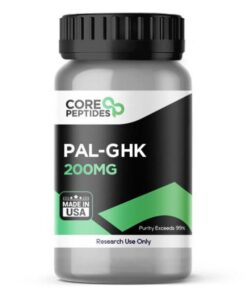
Skin, Hair & Beauty Peptides
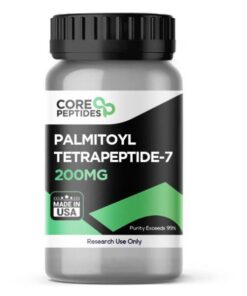
Skin, Hair & Beauty Peptides