Semax
Semax is a synthetic peptide investigated in neuroscience research,
including studies involving neurotrophic signaling, BDNF-related
pathways and learning-related experimental models.

Explore cognitive and nootropic research peptides investigated in
neuroscience, neuroplasticity, neurotransmission, neurotrophic
signaling and other areas of laboratory research.
Browse research compounds such as Semax, Selank, Noopept, Dihexa,
P21 and other experimental materials. Our category is designed to help
researchers compare compounds by their research context, reported
molecular pathways, analytical information and intended laboratory use.
Looking to buy cognitive peptides for laboratory research? This
category brings together research compounds investigated in areas such
as neuronal signaling, neuroplasticity, neurotransmission, memory-related
processes and neurotrophic pathways.
Core Peptides organizes these compounds so researchers can evaluate
individual products according to their research area,
molecular context, available specifications and supporting
documentation. Rather than treating all nootropic peptides as
equivalent, we encourage researchers to review the scientific
literature and product information for each individual compound.
Whether your research involves cognitive biology, neuronal signaling,
synaptic processes or experimental neurobiology, use the information
on this page as a starting point for identifying relevant research
compounds.
Explore individual compounds according to their research background
and reported biological context. Select a product to review its
available specifications and research information.
Semax is a synthetic peptide investigated in neuroscience research,
including studies involving neurotrophic signaling, BDNF-related
pathways and learning-related experimental models.
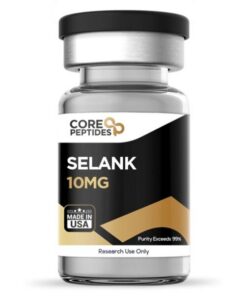
Selank has been investigated in experimental research involving
GABAergic signaling, neurotransmission and related molecular
processes.
Noopept is a peptide-related research compound investigated in
experimental studies examining cognitive and neurobiological
processes.
Dihexa has been investigated in preclinical neuroscience research
involving HGF/c-Met signaling, synaptogenesis and neuronal
plasticity.
P21 is an experimental peptide studied in research involving
neuronal signaling, neurotrophic processes and cognitive-related
mechanisms.
Cerebrolysin is a peptide-containing preparation studied in
neurological and neurobiological research involving multiple
neurotrophic mechanisms.
Cognitive and nootropic peptides are a broad group of research
compounds investigated in connection with neurological and
cognitive-related biological processes. Different compounds can have
very different structures, targets and proposed mechanisms, so the
category should not be interpreted as one uniform pharmacological
class.
Research may examine effects involving neurotransmitter systems,
neurotrophic signaling, synaptic processes, neuronal adaptation,
cellular signaling or other mechanisms relevant to neuroscience.
The evidence also varies considerably between compounds. Some findings
come from in-vitro experiments or animal models, while
other compounds have been investigated in human studies. Results from
one experimental setting should not automatically be generalized to
another.
Researchers investigating nootropic and cognitive peptides may examine
several areas of neuroscience. The specific relevance depends on the
compound, research model and experimental design.
Research into how neurons adapt their structure and function,
including processes associated with synaptic remodeling and
neuronal connectivity.
Studies examining pathways associated with neurotrophic factors
such as BDNF and related receptors or downstream signaling.
Experimental research involving GABAergic, glutamatergic,
cholinergic and other neurotransmitter-related systems.
Research models may examine learning, memory formation and related
neurological processes under controlled experimental conditions.
Studies may investigate synaptic formation, remodeling,
connectivity and signaling between neuronal cells.
Preclinical studies may examine cellular responses to oxidative,
metabolic or other forms of experimental neuronal stress.
The following overview is intended as a research-navigation tool.
Mechanisms and evidence levels can differ substantially between
compounds and should be evaluated against the primary scientific
literature.
| Compound | Research area | Investigated pathway / target | General evidence context |
|---|---|---|---|
| Semax | Neurobiology and cognitive research | BDNF / TrkB-related signaling | Preclinical and published research |
| Selank | Neurotransmission | GABAergic-related signaling | Experimental and published research |
| Noopept | Cognitive and neurobiological research | Multiple proposed mechanisms | Preclinical research literature |
| Dihexa | Synaptic and neuroplasticity research | HGF / c-Met signaling | Preclinical research |
| P21 | Neuronal and cognitive research | Neurotrophic and signaling pathways | Experimental research |
| Cerebrolysin | Neurobiological research | Multiple neurotrophic mechanisms | Clinical and preclinical literature |
Cognitive research peptides are not defined by a single mechanism.
Different compounds have been studied through different biological
pathways, which makes compound-specific research important when
selecting a material for laboratory investigation.
Semax has been investigated in experimental neuroscience research
involving neurotrophic signaling. Published research has examined
BDNF-related changes and TrkB-associated pathways, making these
mechanisms relevant to studies of neuronal plasticity and
cognitive-related processes.
Selank has been investigated in research involving the GABAergic
system and related molecular processes. Findings concerning its
biological mechanisms should be interpreted according to the specific
experimental model and study design rather than as evidence of a
guaranteed clinical effect.
Dihexa has attracted research interest because of experimental work
involving hepatocyte growth factor, or HGF, and the c-Met receptor.
Preclinical studies have examined relationships with synaptic
formation and neuronal plasticity.
Other compounds may be investigated through neurotransmitter systems,
intracellular signaling, gene expression or neurotrophic pathways.
Because the strength and type of evidence varies between compounds,
researchers should consult the primary literature for the specific
material being studied.
Choosing a cognitive research peptide should involve more than
selecting a compound based on its name or marketing description.
Researchers should evaluate the identity of the material, available
analytical documentation, stated purity, batch information and
research literature relevant to the intended experiment.
Verify the compound name and relevant molecular information before
using material in a research protocol.
Review the stated analytical purity and understand the analytical
method used to evaluate the material.
Review available batch-specific analytical documentation where
supplied with the research material.
Clear batch information helps researchers connect materials with
their supporting quality documentation.
A Certificate of Analysis, commonly referred to as a CoA, can provide
important analytical information about a research material. Depending
on the product and testing process, documentation may include batch
identification, analytical purity, testing methodology and other
quality-control information.
Researchers should consider the complete documentation rather than
relying on a single purity percentage. The appropriate analytical
requirements depend on the compound and the intended laboratory
application.
Researchers searching for cognitive peptides in
Switzerland can use this category to explore research
compounds associated with neuroscience, neuroplasticity,
neurotransmission and neurotrophic signaling.
When buying cognitive research peptides, consider the product’s
identity, stated specifications, available quality documentation,
packaging and intended research application. A clear research-use
policy is also important when evaluating suppliers of experimental
compounds.
Core Peptides presents cognitive and nootropic compounds as
research materials. Product descriptions should be
reviewed together with the available documentation and relevant
scientific literature before materials are selected for laboratory
work.
Identify the biological pathway, cellular process or experimental
model relevant to your project before selecting a compound.
Examine original studies for the experimental model, methodology,
endpoints and limitations rather than relying solely on marketing
descriptions.
Review available specifications, analytical information, batch
details and Certificate of Analysis documentation.
Distinguish between in-vitro experiments, animal studies and human
research. Evidence from one level should not automatically be
generalized to another.
Consider whether the reported molecular pathway or research area
is relevant to your experimental objective.
Researchers should confirm that purchasing, handling, storage and
laboratory use comply with applicable requirements in their
jurisdiction.
Important research-use notice:
Cognitive and nootropic peptides presented on this website are offered
and described for scientific and laboratory research purposes. They
are not presented as medicines, dietary supplements or approved
treatments for human disease. Scientific information on this page
describes research areas and reported findings and should not be
interpreted as medical advice.
Cognitive research can overlap with several areas of peptide and
molecular research. Explore related categories to investigate
different biological pathways and research applications.
Cognitive peptides are research compounds investigated in connection
with neurological and cognitive-related biological processes.
Depending on the compound, research may examine neuroplasticity,
neurotransmission, neurotrophic signaling, memory-related processes
or other areas of neuroscience.
Nootropic peptide is a broad research term commonly used for
peptides or peptide-related compounds investigated in relation to
cognitive or neurological processes. The term does not itself
establish a proven cognitive effect or medical classification.
Examples include Semax, Selank, Noopept, Dihexa and other
experimental compounds. Their mechanisms, research history and
evidence levels differ, so each compound should be evaluated
individually.
Semax has been investigated in neuroscience research involving
neurotrophic signaling, including BDNF-related pathways, as well as
learning- and memory-related experimental models.
Selank has been investigated in research involving neurotransmission,
including studies examining GABAergic-related molecular processes.
Dihexa has been investigated in preclinical neuroscience research
involving HGF/c-Met signaling, synaptic processes and neuronal
plasticity.
Not necessarily. Regulatory status varies by compound and
jurisdiction. A research compound should not be assumed to be an
approved medicine simply because it has been studied in scientific
literature.
Researchers should review compound identity, specifications,
analytical documentation, batch information, available scientific
evidence and the applicable requirements for research materials in
their jurisdiction.
Core Peptides provides a dedicated Cognitive & Nootropic Peptides
category for researchers looking to explore cognitive and
neuroscience-related research compounds. Review each product’s
available specifications and documentation before making a research
selection.
Explore our collection of cognitive and nootropic research compounds
and compare products according to their research context,
specifications and available documentation.
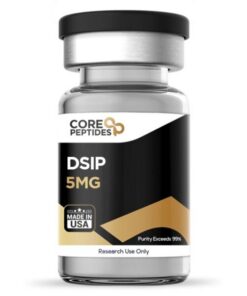
Cognitive & Nootropic Peptides
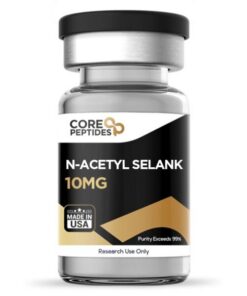
Cognitive & Nootropic Peptides
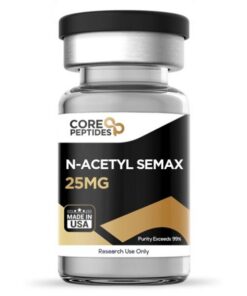
Cognitive & Nootropic Peptides

Cognitive & Nootropic Peptides

Cognitive & Nootropic Peptides
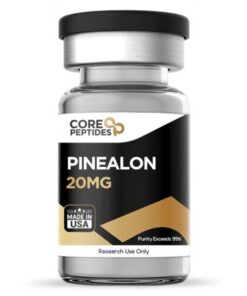
Cognitive & Nootropic Peptides
Cognitive & Nootropic Peptides

Cognitive & Nootropic Peptides

Cognitive & Nootropic Peptides