
Sexual Health Peptides for Advanced Research
Explore Sexual Health Peptides for laboratory research into reproductive biology, neuroendocrine signaling, melanocortin pathways, receptor pharmacology and cellular mechanisms associated with sexual function.
If you are looking to buy Sexual Health Peptides in Switzerland, Core Peptides provides a research-focused selection for qualified laboratories, researchers and other permitted professional users. These compounds can support experimental investigations into specific molecular pathways rather than serving as approved treatments or consumer health products.
Sexual-function biology involves several interconnected systems. These systems include the central nervous system, endocrine signaling, reproductive tissues, vascular biology and receptor-mediated pathways. Therefore, peptide research in this field can address a wide range of experimental questions.
Research use only. Products in this category support laboratory research and do not serve as products for human or veterinary use, diagnosis, treatment, prevention or mitigation of disease.
What Are Sexual Health Peptides?
Sexual Health Peptides comprise peptide compounds that researchers investigate in reproductive physiology, sexual-function signaling and related biological pathways.
Some researchers examine these compounds because they interact with receptors involved in neuroendocrine or melanocortin signaling. Others study them in connection with vascular biology, hormone-related signaling or reproductive-cell processes.
Rather than treating sexual health as one biological process, researchers can examine individual pathways and molecular targets. Consequently, this approach helps scientists understand how different signaling systems contribute to complex physiological responses.
What Are Sexual Health Peptides Researched For?
| Research Area | What Researchers Investigate |
|---|---|
| Reproductive Biology | Cellular and molecular mechanisms involved in reproductive physiology. |
| Melanocortin Signaling | Receptor activity and downstream signaling associated with melanocortin pathways. |
| Neuroendocrine Research | Interactions between neuronal signaling, hormones and physiological responses. |
| Receptor Pharmacology | Ligand-receptor interactions, receptor selectivity and intracellular signaling. |
| Vascular Biology | Cellular signaling associated with vascular tone and endothelial biology. |
| Hormone Research | Experimental investigation of hormone-related pathways and endocrine signaling. |
| Sexual-Function Biology | Molecular pathways associated with sexual behavior and physiological responses. |
Melanocortin Signaling and Sexual-Function Research
Melanocortin signaling represents an important area of peptide biology. Researchers examine melanocortin receptors because these receptors participate in multiple physiological processes, including pigmentation, energy regulation and neuroendocrine signaling.
Each melanocortin receptor has distinct biological characteristics. In particular, researchers have examined MC3R and MC4R in relation to central nervous system signaling and broader physiological regulation.
Consequently, experimental melanocortin agonists and related peptides can help researchers examine receptor pharmacology, intracellular signaling and neurobiological mechanisms.
Neuroendocrine Signaling in Sexual Health Research
Sexual physiology involves communication between the nervous system and endocrine system. Therefore, researchers examine how neural signals, peptide messengers and hormones interact to influence physiological responses.
Neuroendocrine research can examine receptor activation, neuronal signaling, hormone release and downstream intracellular pathways.
However, these systems interact in complex ways. As a result, a peptide that influences one signaling pathway can produce different responses depending on receptor distribution, experimental conditions and biological context.
Receptor Pharmacology and Sexual Health Peptides
Receptor pharmacology provides a useful framework for understanding peptide research. Scientists can determine whether a peptide acts as an agonist, antagonist or modulator at a particular receptor and then examine the resulting cellular response.
Within sexual-health-related research, melanocortin receptors represent one important area of investigation. Researchers can examine receptor binding, receptor selectivity, signal transduction and downstream second-messenger systems.
| Target | Research Relevance |
|---|---|
| MC1R | Researchers study this melanocortin receptor extensively in pigmentation and cellular signaling. |
| MC3R | Researchers examine this receptor in metabolic, neuroendocrine and physiological signaling studies. |
| MC4R | Researchers study this receptor extensively in central nervous system and melanocortin signaling. |
| cAMP | This intracellular second messenger carries signals downstream from several G-protein-coupled receptors. |
Peptides Commonly Studied in Sexual Health Research
The compounds available within this category may vary. Nevertheless, several peptide families have attracted research interest in sexual-function biology and reproductive studies.
Melanotan II
Melanotan II is a synthetic melanocortin analogue that researchers have examined in receptor pharmacology and neurobiological studies. Its activity across melanocortin receptor systems makes it relevant to experimental research into melanocortin signaling.
However, researchers should distinguish receptor-level and preclinical findings from established human clinical outcomes. They should also distinguish research materials from approved treatments or cosmetic products.
PT-141 / Bremelanotide-Related Research
PT-141, commonly associated with the name bremelanotide, belongs to the melanocortin-related group of compounds that researchers have examined in sexual-function and neuroendocrine research.
Researchers can examine this compound in relation to melanocortin receptor signaling and central mechanisms associated with sexual behavior. However, research teams should distinguish experimental materials from approved pharmaceutical formulations and verify the applicable regulatory status in their jurisdiction.
Melanocortin Research Peptides
Other melanocortin-related compounds can help researchers examine receptor selectivity, ligand activity and intracellular signaling. In addition, these compounds may overlap with the broader Melanotan & Pigmentation research category.
Vascular Biology and Sexual-Function Research
Vascular biology represents another important research area because physiological sexual responses can involve changes in blood flow and vascular signaling.
For example, researchers can examine endothelial-cell function, nitric oxide signaling, vascular smooth-muscle responses and receptor-mediated pathways to better understand the molecular biology behind vascular processes.
Nevertheless, these mechanisms remain complex. Therefore, researchers should not automatically interpret findings from isolated tissues or experimental models as evidence of improved sexual function in humans.
Hormonal and Reproductive Biology
Hormonal signaling plays an important role in reproductive biology. Consequently, researchers can examine interactions between peptide signaling, endocrine pathways and reproductive tissues.
Depending on the experimental objective, research teams may investigate receptor expression, hormone signaling, cellular differentiation, reproductive-cell biology or interactions between endocrine and neural pathways.
As a result, Sexual Health Peptides can connect with broader research areas such as Fertility & Hormone Research.
Key Molecular Pathways in Sexual Health Research
| Pathway or Target | Research Relevance |
|---|---|
| Melanocortin Receptors | Researchers examine these receptors for ligand-receptor interactions and neuroendocrine signaling. |
| MC3R / MC4R | Researchers investigate these receptors in central melanocortin and physiological signaling studies. |
| cAMP | This second messenger carries signals downstream from several G-protein-coupled receptors. |
| PKA | This protein kinase participates in cAMP-dependent intracellular signaling. |
| Nitric Oxide Signaling | Researchers examine this pathway in endothelial and vascular biology. |
| Neuroendocrine Signaling | This research area examines communication between neural and endocrine systems. |
How Researchers Study Sexual Health Peptides
Cell-Based Research
Cellular experiments allow researchers to examine receptor expression, intracellular signaling, gene regulation and cellular responses to peptide compounds.
Receptor Studies
Binding and functional assays allow researchers to examine ligand-receptor interactions and receptor selectivity. In addition, these assays can reveal how a compound influences downstream signaling.
Animal Research
Animal models can provide additional information about biological pathways and physiological responses. However, researchers must account for differences between animal models and human biology when interpreting the results.
Human Research
Human studies provide additional evidence about biological responses in people. Even so, researchers must consider study design, population characteristics, endpoints and statistical strength before drawing conclusions.
Therefore, researchers should interpret peptide findings according to the evidence level rather than present them as universal biological effects.
Understanding the Evidence Behind Sexual Health Peptides
Sexual-function research can draw on several levels of evidence. However, researchers should not treat these evidence levels as interchangeable.
| Evidence Level | What It Can Show | Important Limitation |
|---|---|---|
| In Vitro | Cellular activity, receptor signaling and molecular mechanisms. | Cell cultures cannot reproduce the full complexity of an organism. |
| Animal / Preclinical | Physiological responses within an experimental organism. | Animal findings do not automatically translate to human outcomes. |
| Human Research | Responses observed in human participants under defined conditions. | Evidence quality depends on study design, population and endpoints. |
For this reason, Core Peptides does not present research peptides as guaranteed solutions for sexual dysfunction, fertility problems or other medical conditions.
How to Evaluate Sexual Health Peptides
When you buy Sexual Health Peptides in Switzerland, focus on analytical documentation and research suitability rather than unsupported performance claims.
- Identity: Confirm that the product documentation identifies the expected peptide.
- Purity: Review the reported analytical purity and examine the method used to determine it.
- Batch information: Check for a traceable lot or batch identifier.
- Analytical documentation: Review available testing information and product specifications.
- Formulation: Confirm the exact form and composition of the research material.
- Storage: Follow the product-specific storage requirements.
- Research status: Confirm that the material fits your intended laboratory application.
Why a Certificate of Analysis Matters
A Certificate of Analysis (CoA) can provide useful batch-level information about a peptide research compound. Depending on the testing performed, the document may include identity, purity and other analytical characteristics.
However, researchers should not treat a CoA as proof of biological efficacy. A purity result does not automatically establish receptor potency, sterility, endotoxin status, stability or suitability for a specific experimental model.
Therefore, researchers should evaluate the complete analytical documentation and determine whether it meets their laboratory requirements.
Buy Sexual Health Peptides in Switzerland
If your laboratory conducts research into reproductive biology, melanocortin signaling, neuroendocrine pathways or sexual-function biology, choose a research supplier that provides clear product information and appropriate documentation.
When you buy Sexual Health Peptides in Switzerland, consider product identity, batch documentation, analytical information, formulation and clearly stated research-use conditions.
In addition, Swiss researchers should verify the requirements that may apply to the acquisition, importation, storage and use of research substances. Swissmedic provides regulatory information relevant to Switzerland. Meanwhile, the European Medicines Agency (EMA) provides information concerning the European medicines regulatory framework.
Because requirements can vary according to the substance and intended use, researchers should verify the applicable rules before purchasing or importing research material.
How to Choose the Right Sexual Health Research Peptide
The appropriate research peptide depends on the scientific question. Therefore, start with the biological pathway rather than the marketing description.
- Define the research question. First, identify whether your study concerns receptor pharmacology, reproductive biology, neuroendocrine signaling or another pathway.
- Identify the molecular target. Next, determine which receptor, signaling system or biological mechanism matters to the experiment.
- Review the evidence. Then, separate cellular, animal and human research before interpreting the findings.
- Check analytical documentation. After that, review identity, purity and batch information.
- Confirm formulation. Make sure the exact research compound matches your experimental requirements.
- Review regulatory requirements. Finally, verify the rules that apply to the substance and your research environment.
Sexual Health Peptide Research Glossary
- Agonist
- A compound that activates a receptor and produces a biological signaling response.
- Antagonist
- A compound that binds to a receptor and reduces or prevents activation by another ligand.
- cAMP
- A second messenger that carries intracellular signals downstream from several G-protein-coupled receptors.
- Melanocortin
- A family of peptide hormones and related signaling molecules that interact with melanocortin receptors.
- MC4R
- A melanocortin receptor that researchers study extensively in central nervous system and physiological signaling.
- Neuroendocrine Signaling
- Communication between neural and endocrine systems that helps regulate physiological processes.
- Receptor Pharmacology
- The study of how compounds interact with receptors and influence downstream biological signaling.
- Reproductive Biology
- The study of cellular, molecular and physiological mechanisms involved in reproduction.
Frequently Asked Questions About Sexual Health Peptides
What are Sexual Health Peptides used for?
Researchers use these compounds to investigate reproductive biology, neuroendocrine signaling, melanocortin pathways, receptor pharmacology and related biological mechanisms.
Are Sexual Health Peptides treatments for sexual dysfunction?
No. Research peptides should not be presented as treatments. Experimental findings vary according to the compound, model and study design. Furthermore, research-use materials should not replace approved medical products.
What is the connection between melanocortin receptors and sexual-function research?
Melanocortin receptors participate in several physiological signaling systems. Therefore, researchers have investigated certain melanocortin-related compounds in neurobiological and sexual-function research.
What is PT-141?
PT-141 is a name commonly associated with bremelanotide, a melanocortin-related compound that researchers have examined in sexual-function and neuroendocrine research. Researchers should distinguish experimental materials from approved pharmaceutical formulations and verify applicable regulatory requirements.
Can these peptides support fertility research?
Some peptide research overlaps with reproductive and endocrine biology. For broader fertility-related research, explore the Fertility & Hormone Research category.
Does peptide purity guarantee biological activity?
No. Purity represents only one aspect of research-material quality. Researchers must also consider identity, formulation, stability, assay conditions and biological activity.
How should research peptides be stored?
Storage requirements vary according to the specific compound and formulation. Therefore, always follow the product-specific storage instructions supplied with the research material.
Who should use Sexual Health Peptides?
These products target qualified researchers, laboratories and other permitted professional users conducting legitimate scientific research.
Explore Sexual Health Peptides for Research
Sexual-function biology involves complex interactions between neural, endocrine, receptor and vascular systems. Consequently, peptide research can help investigators examine individual components of these pathways under controlled experimental conditions.
Explore the Core Peptides Sexual Health Peptides category to compare available research compounds and review the documentation relevant to your laboratory requirements.
Research use only. Products support laboratory research and do not serve as products for human or veterinary use, diagnosis, treatment, prevention or mitigation of disease, or as a substitute for approved medical products.

Fertility & Hormone Research
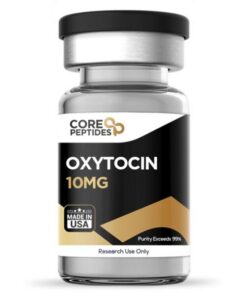
Fertility & Hormone Research

Sexual Health Peptides
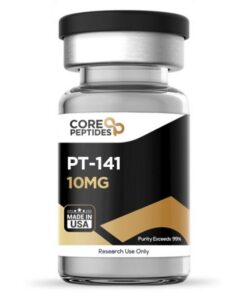
Sexual Health Peptides