
Healing & Regeneration Peptides for Research
Healing and regeneration peptides are research compounds studied for their potential role in tissue repair, cellular recovery, inflammation, angiogenesis, and regenerative biology. Researchers use these peptides to investigate how cells respond to injury and how molecular pathways influence processes such as cell migration, extracellular matrix remodeling, vascular signaling, and immune responses.
The Healing & Regeneration Peptides collection at Core Peptides brings together research compounds associated with several areas of regenerative science. These include BPC-157, TB-500, GHK-Cu, KPV, LL-37, and ARA-290.
Importantly, each peptide has a different molecular profile. For example, BPC-157 has been investigated in relation to vascular signaling, TB-500 is associated with actin-related research, GHK-Cu has been studied in extracellular matrix and gene-expression research, while LL-37 belongs to the host-defense peptide family. This diversity makes the category useful for researchers investigating different aspects of tissue biology.
What Are Healing and Regeneration Peptides?
Healing and regeneration peptides are short chains of amino acids that researchers study in models of tissue repair and cellular regulation. Depending on the peptide, research may focus on angiogenesis, cytoskeletal dynamics, inflammatory signaling, antimicrobial activity, extracellular matrix remodeling, or cellular protection.
Rather than representing one single mechanism, this research field covers several biological pathways. Consequently, researchers should evaluate each compound according to its sequence, molecular target, experimental model, analytical characterization, and published evidence.
For researchers looking for healing and regeneration peptides in Switzerland, the most important considerations include product identity, analytical purity, batch documentation, storage requirements, and appropriate research-use positioning.
What Are Healing and Regeneration Peptides Researched For?
Research groups investigate these peptides across several areas of regenerative biology. The following overview highlights common research themes and representative compounds.
| Research Area | What Researchers Study | Representative Peptides |
|---|---|---|
| Angiogenesis and Vascular Biology | Endothelial signaling, vascular growth, cell migration, and blood-vessel formation | BPC-157, TB-500 |
| Cell Migration and Cytoskeletal Dynamics | Actin organization, cellular movement, adhesion, and cytoskeletal remodeling | TB-500 |
| Extracellular Matrix Research | Collagen, elastin, proteoglycans, matrix remodeling, and tissue structure | GHK-Cu |
| Inflammatory Signaling | NF-κB, MAPK signaling, cytokine responses, and oxidative-stress pathways | KPV, GHK-Cu |
| Antimicrobial and Host Defense Research | Microbial membranes, antimicrobial activity, endotoxin interactions, and innate immunity | LL-37 |
| Neuroprotection and Innate Repair | Inflammatory signaling, cellular protection, and repair-related pathways | ARA-290 |
These research areas overlap with several other fields of peptide science. Therefore, researchers may also find relevant compounds in our Cellular Research & Signaling and Immunity & Inflammation Peptides categories.
Key Research Areas in Healing and Regeneration
Angiogenesis and Vascular Signaling
Angiogenesis describes the formation of new blood vessels from existing vasculature. Because vascular supply influences tissue biology, researchers study angiogenic signaling when investigating repair and regeneration.
BPC-157 has attracted preclinical research interest because studies have examined its relationship with VEGFR2, Akt, and endothelial nitric oxide synthase (eNOS) signaling. Researchers have also investigated its effects in models involving vascular recovery and tissue injury.
These findings remain primarily preclinical. Therefore, experimental observations should not be interpreted as evidence of an established therapeutic effect in humans.
Actin and Cellular Migration
The actin cytoskeleton helps cells maintain their structure and move through their surrounding environment. As a result, actin dynamics play an important role in research involving cell migration, adhesion, differentiation, and tissue remodeling.
TB-500 is commonly discussed in research involving the actin-binding region associated with thymosin beta-4. Studies of thymosin beta-4 and related sequences have examined interactions with actin and processes involved in cellular migration and vascular biology.
For laboratory researchers, this makes actin-related signaling an important area when evaluating regeneration-focused peptide research.
Extracellular Matrix and Tissue Remodeling
The extracellular matrix provides structural support to tissues and contains proteins such as collagen and elastin. Researchers therefore investigate extracellular matrix regulation when studying wound biology, tissue organization, and remodeling.
GHK-Cu is an endogenous copper-binding peptide that has received research attention in connection with extracellular matrix processes, collagen-related pathways, antioxidant activity, and gene-expression regulation.
Research has identified changes in the expression of numerous genes following GHK-Cu exposure in specific experimental systems. However, the size of a gene-expression response does not by itself establish a therapeutic outcome. Experimental context, concentration, cell type, and study design all matter.
Inflammatory Signaling
Inflammation coordinates complex cellular responses to injury and infection. Researchers study inflammatory pathways to understand how these responses begin, develop, and resolve.
KPV is a short peptide derived from alpha-melanocyte-stimulating hormone (α-MSH). Research has examined its relationship with NF-κB, MAPK signaling, oxidative stress, and inflammatory cytokine responses.
GHK-Cu has also attracted interest in inflammatory and oxidative-stress research. Consequently, these compounds may appear in both regeneration-focused and inflammation-focused research programs.
Antimicrobial and Host Defense Research
Host defense peptides form part of the innate immune system. Researchers investigate these molecules because they can interact directly with microbial membranes while also influencing immune signaling.
LL-37 is a well-characterized human cathelicidin. Laboratory research has examined its interaction with bacterial membranes, endotoxins, immune cells, and several cellular signaling pathways.
These properties make LL-37 particularly relevant to research involving antimicrobial defense, inflammation, and host-pathogen interactions.
Innate Repair and Neuroprotection
Innate repair research focuses on endogenous mechanisms that may help cells respond to stress or injury. This area includes pathways involved in cellular protection, inflammation, and tissue homeostasis.
ARA-290, also known as cibinetide, is a synthetic peptide derived from the structure of erythropoietin. Research has investigated its interaction with the proposed Innate Repair Receptor and downstream pathways associated with cellular protection and inflammatory signaling.
Most research involving ARA-290 remains experimental. Therefore, researchers should evaluate the available evidence according to the model and biological endpoint under investigation.
Peptide Families in the Healing & Regeneration Category
Angiogenesis-Related Peptides
These compounds are investigated in relation to vascular signaling and endothelial biology. BPC-157 is one example frequently examined in preclinical angiogenesis research.
Actin-Regulating Peptides
Actin-regulating peptides are studied for their relationship with cytoskeletal organization and cellular migration. TB-500 belongs to this research area because of its association with the actin-binding region of thymosin beta-4.
Copper-Binding Peptides
Copper-binding peptides can participate in research involving copper-dependent biological processes and extracellular matrix regulation. GHK-Cu is the primary example within this category.
Anti-Inflammatory Research Peptides
These peptides are investigated for their influence on inflammatory signaling pathways. KPV is commonly studied in relation to NF-κB and MAPK signaling, while GHK-Cu also appears in research involving inflammation and oxidative stress.
Antimicrobial Peptides
Antimicrobial peptides form an important part of innate host defense research. LL-37 is one of the best-characterized human antimicrobial peptides and has been investigated in both antimicrobial and immunological models.
Innate Repair Peptides
Innate repair peptides are studied for their potential interaction with cellular protection and repair pathways. ARA-290 represents this research area and has been investigated in models involving inflammation and neural tissue.
Research Peptides in the Healing & Regeneration Collection
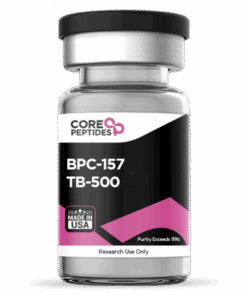
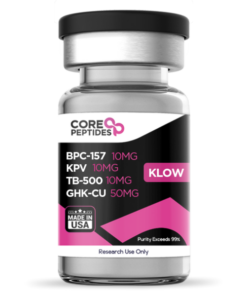
BPC-157
BPC-157 is a synthetic pentadecapeptide that has received considerable attention in preclinical research. Investigators have examined the compound in relation to vascular signaling, endothelial biology, gastrointestinal models, tendon research, and tissue-injury models.
VEGFR2, Akt, eNOS, ERK-related signaling, and nitric oxide pathways have all appeared in research involving BPC-157. However, findings can vary according to the experimental model, and much of the evidence remains preclinical.
Researchers evaluating BPC-157 should therefore focus on the specific model, endpoint, analytical characterization, and available literature rather than relying on generalized claims.
TB-500
TB-500 is commonly described as a synthetic peptide related to the actin-binding region of thymosin beta-4. Research involving thymosin beta-4 has examined actin dynamics, cellular migration, angiogenesis, and tissue remodeling.
Because actin controls important aspects of cellular structure and movement, this research area provides a useful model for investigating how cytoskeletal processes interact with regeneration-related biology.
GHK-Cu
GHK-Cu is a naturally occurring copper-binding peptide that researchers study in connection with extracellular matrix regulation, collagen-related processes, oxidative stress, inflammation, and gene expression.
Its research profile makes GHK-Cu relevant to several overlapping areas, including tissue remodeling, skin biology, cellular signaling, and aging research. For this reason, researchers may also explore our Anti-Aging & Longevity Peptides category.
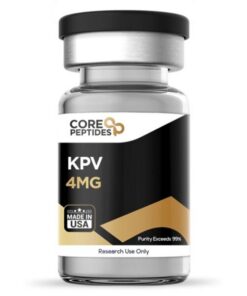
KPV
KPV is a tripeptide derived from α-MSH. Research has investigated KPV in relation to inflammatory signaling, NF-κB activity, MAPK pathways, oxidative stress, and cytokine responses.
These studies make KPV relevant to laboratory research involving inflammation and cellular stress. Nevertheless, researchers should distinguish experimental findings from established human therapeutic outcomes.
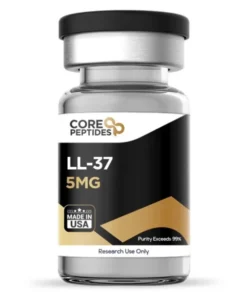
LL-37
LL-37 is the active human cathelicidin peptide produced from the precursor protein hCAP18. Researchers have extensively studied its antimicrobial properties and its role in innate immune signaling.
Laboratory studies have examined LL-37 interactions with bacterial membranes, endotoxins, immune cells, and intracellular signaling. Consequently, the peptide has relevance across antimicrobial, inflammatory, and host-defense research.
ARA-290
ARA-290, also known as cibinetide, is an 11-amino-acid peptide derived from the structure of erythropoietin. Researchers have investigated its proposed interaction with the Innate Repair Receptor and pathways associated with inflammation and cellular protection.
Preclinical research has examined ARA-290 in models involving neuropathy, inflammation, and tissue protection. However, researchers should evaluate these findings within the limitations of each experimental model.
How Do Healing and Regeneration Peptides Work?
Healing and regeneration peptides do not share one universal mechanism. Instead, individual compounds interact with different biological targets and signaling networks.
Receptor Signaling
Some peptides influence receptor-mediated signaling. For example, research involving BPC-157 has examined VEGFR2-related pathways and downstream Akt and eNOS signaling.
Actin Cytoskeleton Regulation
Actin-related peptides provide another research pathway. Studies involving thymosin beta-4 and related sequences have examined actin binding, cytoskeletal organization, cell migration, and angiogenesis.
Gene Expression and Cellular Regulation
GHK-Cu has been studied for its ability to influence gene-expression patterns in experimental systems. Researchers use these models to investigate relationships between peptide signaling, extracellular matrix biology, inflammation, and cellular maintenance.
Inflammatory Signaling
KPV and GHK-Cu have both been investigated in experimental models of inflammation. Researchers commonly examine pathways such as NF-κB, MAPK signaling, cytokine production, and oxidative stress.
Antimicrobial Activity
LL-37 provides a different mechanism. Instead of primarily acting through a conventional growth-factor receptor, it can interact with microbial membranes and contribute to innate immune responses.
Innate Repair Signaling
ARA-290 represents research into innate repair signaling. Studies have examined its proposed receptor interactions and downstream pathways involving cellular protection and inflammatory regulation.
Molecular Targets and Signaling Pathways
| Peptide | Research Target | Associated Pathways | Research Area |
|---|---|---|---|
| BPC-157 | VEGFR2 and downstream signaling | Akt, eNOS, ERK-related signaling | Angiogenesis and tissue biology |
| TB-500 | Actin-related processes | Actin cytoskeleton and cell migration | Cellular movement and remodeling |
| GHK-Cu | Copper-dependent and regulatory pathways | Gene expression, extracellular matrix signaling | Tissue remodeling and cellular regulation |
| KPV | NF-κB and MAPK-related signaling | Inflammatory and oxidative-stress pathways | Inflammation research |
| LL-37 | Microbial membranes and immune targets | Membrane disruption and immune signaling | Antimicrobial and host defense research |
| ARA-290 | Innate Repair Receptor | JAK/STAT, PI3K/Akt, inflammatory pathways | Cellular protection and neurobiology |
Comparing Healing & Regeneration Research Peptides
| Peptide | Research Family | Main Research Focus | Evidence Context |
|---|---|---|---|
| BPC-157 | Angiogenesis-related | Vascular signaling and tissue-injury models | Primarily preclinical |
| TB-500 | Actin-related | Cell migration and cytoskeletal research | Primarily preclinical |
| GHK-Cu | Copper-binding | Extracellular matrix and gene-expression research | Preclinical and laboratory research |
| KPV | Inflammatory signaling | NF-κB, MAPK, and cytokine research | Primarily preclinical |
| LL-37 | Antimicrobial | Microbial membranes and innate immunity | Laboratory and clinical research |
| ARA-290 | Innate repair | Inflammation, neuroprotection, and cellular protection | Primarily preclinical |
What Does the Scientific Research Say?
In Vitro Research
Cell-based studies provide important information about peptide mechanisms. Researchers can use these models to examine receptor activation, protein interactions, gene expression, antimicrobial activity, inflammatory signaling, and cellular migration.
For example, laboratory research has examined BPC-157 in relation to VEGFR2 signaling, TB-500 and thymosin beta-4 in relation to actin biology, KPV in inflammatory models, and LL-37 in antimicrobial assays.
Animal and Preclinical Research
Animal models can provide additional information about tissue responses and biological pathways. Studies involving BPC-157, TB-500-related research, GHK-Cu, KPV, and ARA-290 have explored different aspects of tissue injury, inflammation, vascular biology, or cellular protection.
However, animal findings do not automatically translate into human outcomes. Consequently, researchers should evaluate species, model design, endpoints, and study limitations before drawing conclusions.
Human Research
Human evidence varies considerably between peptides. LL-37 and thymosin beta-4 have entered human research programs, while several compounds in this category have much more limited human evidence.
For this reason, researchers should distinguish between human clinical evidence, animal research, and in vitro findings when assessing any healing or regeneration peptide.
Why Evidence Level Matters
A strong research strategy considers more than the number of published studies. Researchers should also examine study quality, experimental design, reproducibility, biological model, endpoints, and whether independent groups have replicated the findings.
Ultimately, preclinical results can help generate research hypotheses, but they do not establish safety or efficacy for human use.
How to Evaluate Healing Peptide Quality
Reliable analytical documentation plays an important role when researchers select laboratory peptides. Therefore, evaluate the following factors before adding a compound to a research workflow.
1. Peptide Identity
Analytical testing should confirm that the supplied material matches the intended peptide. Mass spectrometry provides useful molecular-weight information for identity assessment.
2. Purity
High-performance liquid chromatography (HPLC) commonly measures peptide purity. However, a high purity percentage alone does not prove correct identity, biological activity, or suitability for every experiment.
3. Sequence Confirmation
Where appropriate, laboratories can use mass spectrometry or other analytical techniques to verify the expected peptide sequence and molecular characteristics.
4. Mass Spectrometry
MS techniques can help confirm molecular mass and identify certain modifications or impurities. Researchers should review the actual analytical data rather than relying only on a stated specification.
5. Certificate of Analysis
A Certificate of Analysis, or CoA, should identify the tested batch and summarize relevant analytical results. Ideally, it should include product identification, purity, analytical methods, testing date, and laboratory information.
6. Batch Traceability
Each research peptide should have a traceable lot or batch identifier. This information helps researchers connect experimental material with the relevant quality documentation.
7. Storage Information
Peptide stability depends on factors such as sequence, formulation, temperature, moisture, and handling. Therefore, always follow the storage conditions supplied with the specific product instead of applying one storage rule to every peptide.
8. Supplier Transparency
A transparent supplier should clearly communicate product specifications, analytical documentation, batch information, and research-use limitations. This information helps laboratories make more informed purchasing decisions.
How to Read a Peptide Certificate of Analysis
A Certificate of Analysis provides analytical information about a particular batch. Consequently, researchers should review the document rather than relying solely on a product-page purity statement.
- Product name: Confirms which compound the document covers.
- Sequence: Identifies the intended amino acid sequence where applicable.
- Batch or lot number: Connects the CoA with a specific production batch.
- Purity: Usually reported from chromatographic analysis.
- Identity testing: May include mass spectrometry or other analytical methods.
- Testing date: Shows when the laboratory performed the analysis.
- Analytical method: Identifies the technique used to generate the result.
- Laboratory information: Provides additional testing context when available.
Most importantly, a CoA does not guarantee biological activity or a particular experimental result. Researchers should consider the complete analytical and experimental context.
Buying Healing & Regeneration Peptides in Switzerland
Researchers searching for healing and regeneration peptides in Switzerland should consider more than price. Product identity, analytical documentation, batch traceability, storage information, and research-use status all matter when sourcing laboratory compounds.
At Core Peptides, the category is organized around research applications and biological mechanisms. This structure helps researchers compare compounds according to their intended research area rather than relying on broad therapeutic claims.
Before purchasing, review the individual product information and available analytical documentation. In addition, researchers should ensure that their planned work complies with applicable Swiss and European requirements.
Swiss and European Regulatory Information
Research compounds and medicinal products do not share the same regulatory status. A peptide marketed for laboratory research should not automatically be considered an approved medicine or a substance suitable for human use.
For Switzerland-specific regulatory information, consult Swissmedic. For European medicinal-product information, researchers can consult the European Medicines Agency (EMA).
Researchers remain responsible for understanding the rules that apply to their institution, laboratory, import activity, storage procedures, and intended research.
How to Choose a Healing & Regeneration Research Peptide
The right research peptide depends on the scientific question rather than on a general claim about which compound is “best.” Use the following criteria to narrow the selection.
- Define the research objective: Determine whether your study focuses on angiogenesis, cell migration, inflammation, antimicrobial activity, extracellular matrix biology, or cellular protection.
- Identify the biological target: Consider receptors, proteins, signaling pathways, or cellular structures relevant to the experiment.
- Review the evidence: Separate in vitro findings from animal and human research.
- Check analytical documentation: Review identity, purity, sequence information, and available mass-spectrometry data.
- Confirm batch traceability: Make sure the supplied material connects to a specific lot or batch.
- Review storage requirements: Follow the product-specific storage and handling information.
- Consider regulatory requirements: Confirm that your intended research and procurement process comply with applicable regulations.
This approach helps researchers select compounds according to experimental requirements instead of generalized marketing claims.
Healing & Regeneration Research Glossary
Angiogenesis: The formation of new blood vessels from existing vasculature.
VEGFR2: A receptor tyrosine kinase involved in vascular endothelial signaling and angiogenesis.
Actin Cytoskeleton: A network of protein filaments that supports cell structure, movement, and organization.
G-Actin: The globular, monomeric form of actin that can assemble into actin filaments.
NF-κB: A family of transcription factors involved in immune and inflammatory signaling.
MAPK: A group of protein kinase pathways that regulate cellular responses to growth factors, stress, and other signals.
NLRP3 Inflammasome: A multiprotein complex involved in innate immune and inflammatory responses.
Innate Repair Receptor: A proposed receptor system investigated in research involving tissue protection and cellular repair.
Host Defense Peptide: A naturally occurring peptide involved in antimicrobial and innate immune responses.
Extracellular Matrix: The network of proteins and other molecules surrounding cells that provides structural and biochemical support to tissues.
Frequently Asked Questions About Healing & Regeneration Peptides
What are healing and regeneration peptides?
Healing and regeneration peptides are research compounds investigated in areas such as tissue biology, angiogenesis, cell migration, inflammation, antimicrobial defense, and extracellular matrix remodeling.
Which peptides are included in this category?
The collection may include compounds such as BPC-157, TB-500, GHK-Cu, KPV, LL-37, and ARA-290. Each peptide has a different sequence, research profile, and biological target.
What are healing peptides researched for?
Researchers study these compounds to investigate processes such as vascular signaling, cellular migration, inflammatory pathways, antimicrobial activity, tissue remodeling, and cellular protection.
How do healing and regeneration peptides work?
The mechanisms differ between compounds. Research may involve receptor signaling, actin-related processes, gene-expression regulation, inflammatory pathways, microbial membrane interactions, or innate repair signaling.
What is the difference between BPC-157 and TB-500?
BPC-157 and TB-500 represent different research mechanisms. BPC-157 has been investigated in relation to vascular and tissue-injury models, whereas TB-500 is associated with actin-related research and cellular migration.
What is GHK-Cu?
GHK-Cu is a copper-binding peptide that researchers investigate in connection with extracellular matrix biology, gene expression, inflammation, oxidative stress, and cellular regulation.
What is KPV?
KPV is a short peptide derived from α-MSH. Research has examined its relationship with inflammatory signaling pathways, including NF-κB and MAPK-related pathways.
What is LL-37?
LL-37 is a human cathelicidin and host defense peptide. Researchers study it for its antimicrobial properties and its interactions with innate immune signaling.
How is peptide purity tested?
Researchers commonly use analytical techniques such as HPLC to assess purity and mass spectrometry to support identity and molecular-weight confirmation.
What is a Certificate of Analysis?
A Certificate of Analysis is a batch-specific document that reports analytical testing results. Depending on the supplier and product, it may include purity, identity, testing methods, batch information, and testing dates.
Does a high purity percentage guarantee peptide quality?
No. Purity represents only one aspect of peptide characterization. Researchers should also consider identity, sequence, analytical methods, batch traceability, storage, and the quality of the supporting documentation.
How should research peptides be stored?
Storage requirements vary between peptides and formulations. Always follow the specific storage instructions supplied with the product and minimize unnecessary exposure to conditions that may affect peptide stability.
Are healing and regeneration peptides approved medicines?
Regulatory status differs between compounds and jurisdictions. Many compounds sold specifically for laboratory research do not have authorization as medicines for general human therapeutic use. Researchers should verify the regulatory status of an individual compound through the relevant authority.
Can research peptides be used for human treatment?
Products sold as research-use compounds should not be presented as human treatments. Researchers should follow applicable laws, institutional requirements, and product-use restrictions.
What should I look for when buying research peptides in Switzerland?
Look for clear product specifications, analytical documentation, batch traceability, appropriate storage information, transparent research-use positioning, and a supplier that clearly communicates what the product is intended for.
Related Peptide Research Categories
Cellular Research & Signaling — Explore peptides associated with cellular receptors, intracellular signaling, and molecular pathways.
Anti-Aging & Longevity Peptides — Explore research compounds connected with cellular maintenance, aging biology, and longevity-related pathways.
Immunity & Inflammation Peptides — Explore peptides researched for immune signaling, inflammation, host defense, and related cellular processes.
Cognitive & Nootropic Peptides — Explore compounds researched in connection with neurobiology, cellular protection, and cognitive-related pathways.
Research Disclaimer
The information on this page is provided for educational and informational purposes. Products in the Healing & Regeneration Peptides category are presented for legitimate research purposes and should not be marketed or interpreted as products for diagnosing, treating, curing, or preventing disease.
Research findings can vary according to peptide sequence, purity, experimental model, concentration, formulation, and study design. Preclinical findings do not establish safety or efficacy in humans. Researchers should review the scientific literature and follow all applicable institutional, legal, regulatory, storage, and laboratory requirements.
Core Peptides does not provide medical advice and does not make claims that research compounds are suitable for human therapeutic use.
Healing & Regeneration Peptides
Healing & Regeneration Peptides
Healing & Regeneration Peptides
Healing & Regeneration Peptides
Healing & Regeneration Peptides

Healing & Regeneration Peptides
Healing & Regeneration Peptides
Healing & Regeneration Peptides
Healing & Regeneration Peptides
Healing & Regeneration Peptides
Healing & Regeneration Peptides